

THE LOG HOME EXPERIENCE

An educational series by eLoghomes

The Log Home Experience is an educational series by eLoghomes, meant just for you. From the time you first dream of log home living until you are relaxing and unwinding in your finished home, our goal is to help make your journey easy and rewarding.
What Exactly is an ADU?

Accessory Dwelling Unit (ADU) is a common term for a second living space built on the same property as your main home.
They are fully functional, smaller homes – complete with their own kitchen, bathroom, living area, and entrance.

Whether you’re planning for aging parents, welcoming adult children back home, creating a rental unit,
or designing a private office, ADUs offer versatility without sacrificing comfort.

STEP #1

Define Your ADU’s Purpose

The best ADU designs are driven by why you’re building one in the first place. Ask yourself:

  • Is this space for family-like parents, kids, or long-term guests?
  • Will it be used to generate rental income?
  • Is it meant to be a home office, creative studio, or private getaway?

Once you define the purpose, decisions about size, layout, features, and finishes become much clearer.

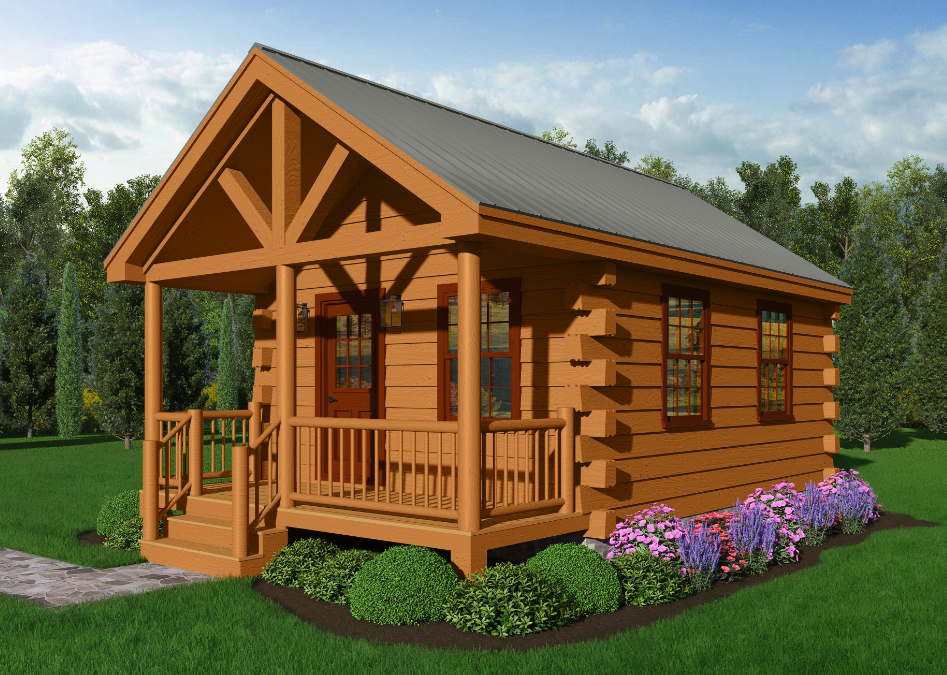
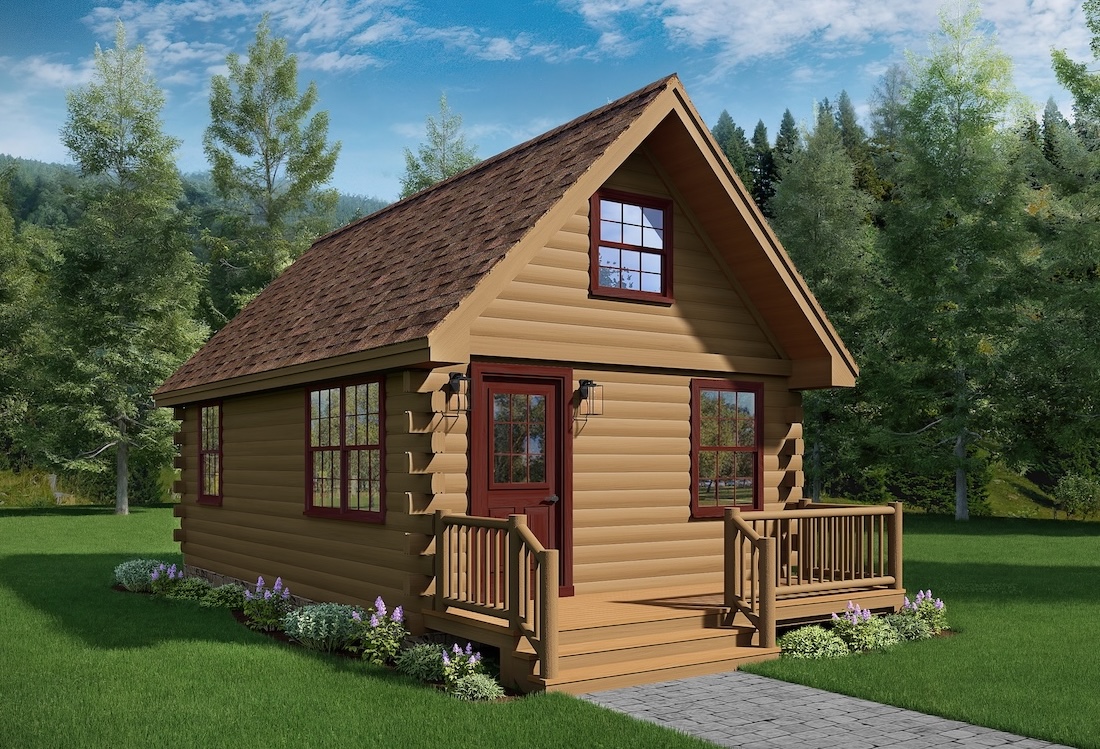
ADU log cabin kit model
STEP #2

Design with Comfort and Efficiency in Mind

Good design can make even a small ADU feel surprisingly spacious and functional. Here’s how:

  • Maximize storage: Built-ins, loft storage, and multi-purpose furniture keep clutter under control.
  • Prioritize privacy: Separate entrances, thoughtful landscaping, and soundproofing can make the ADU feel like its own home.
STEP #3

Plan Your Budget Wisely

ADUs are usually more affordable than building a full-size home – but they’re still a major
investment. Costs vary widely depending on location, size, materials, and utility needs.

Here are a few budgeting tips:

  • Account for everything: Don’t forget permits, utility hookups, landscaping, and interior
    finishes.
  • Explore financing: Many homeowners use home equity loans, ADU-specific loans, or cash-out refinancing.
  • Think ROI: If you plan to rent the space, calculate how quickly it will pay for itself.


Understand state and regional incentives related to ADUs

  • Investigate the potential for grants and incentives
  • Research tax incentives
  • Ask about local fee waivers offered by cities and municipalities
STEP #4

Know the Rules Before You Build

Every city and county has its own zoning laws, size limits, and permit requirements when it
comes to ADUs. Currently, there are ten states with statewide ADU allowances, and thirty-
seven states with local and regional ADU allowances. Before you move forward with a
purchase, start by contacting your local planning department or checking their website.

Key questions to ask:

  • Is your property allowed to have an ADU?
  • What’s the maximum size and height allowed?
  • Are there setback requirements (how far from the property line the unit must be)?
  • Do you need dedicated parking or utility upgrades?

This step may be bureaucratic, but it’s essential. Getting clarity early will save you time, money, and headaches later.

STEP #5

Plan the Timeline

Building an ADU isn’t an overnight project. The average timeline- from design to move-in – can range from 4 to 12 months, depending on complexity and local permitting speed.

How eLoghomes Makes ADUs Even Better

Ranging from $35,000-$55,000, eLoghomes’ EasyCabin™ ADU kits offer a faster, simpler, and more affordable option to create a guest cottage, rental unit, or studio space without sacrificing quality or style. These ADUs are predesigned; deliver exceptional value and versatility, and create a warm, inviting space that enhances your property and adapts to your needs for years to come.

Connect with Michael, your eLoghomes advisor.

Start Today!