

Our Logs
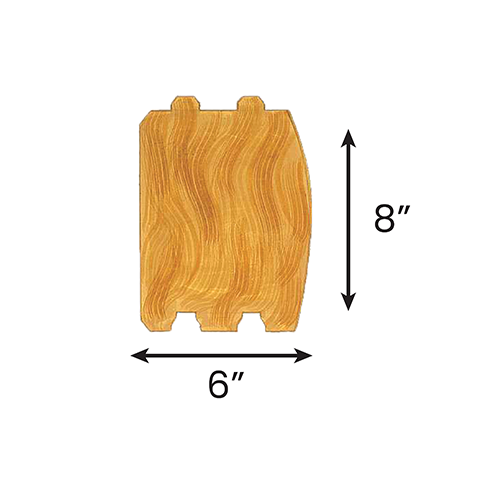
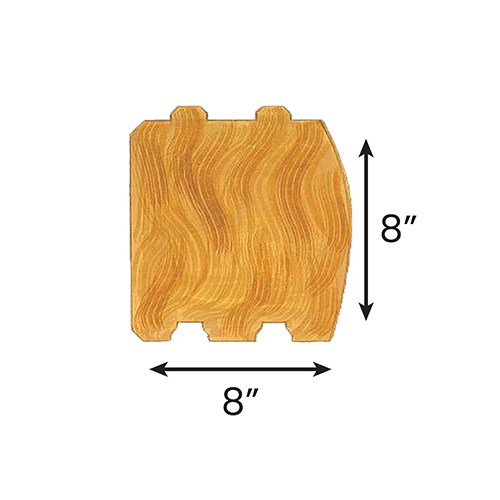
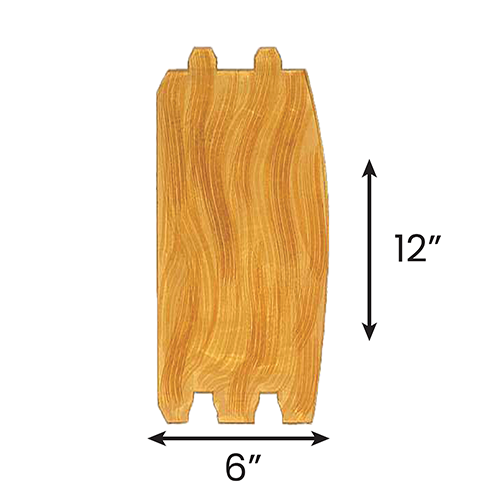
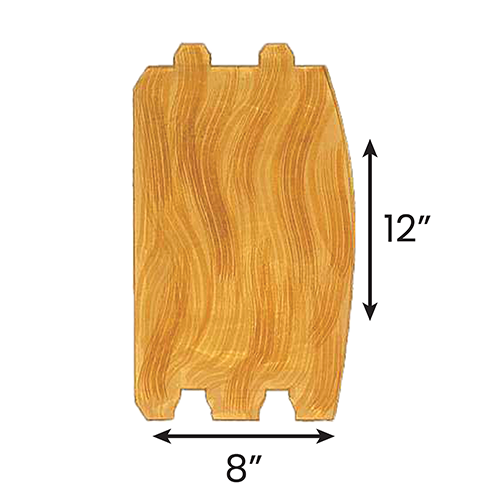
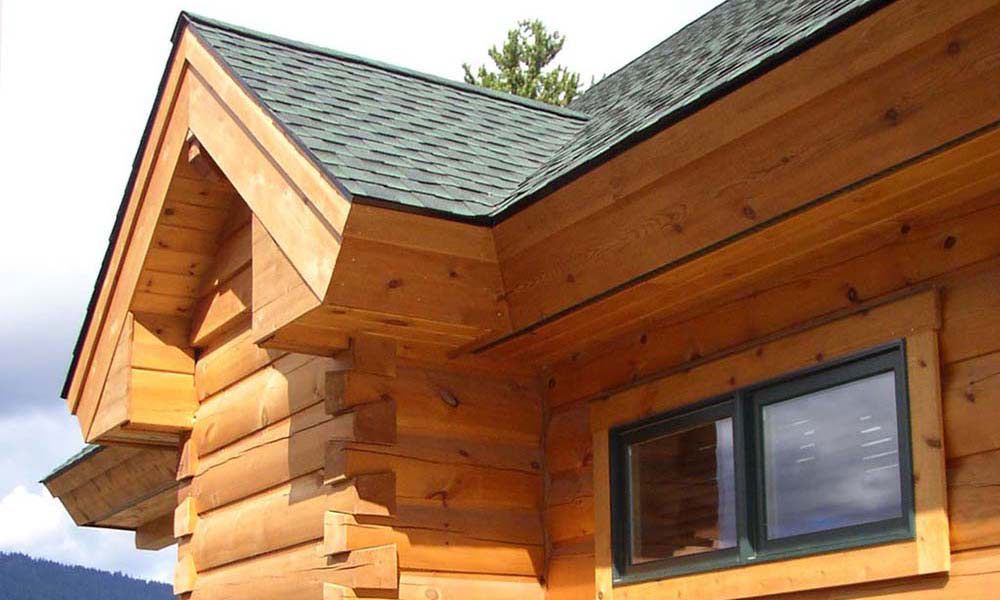
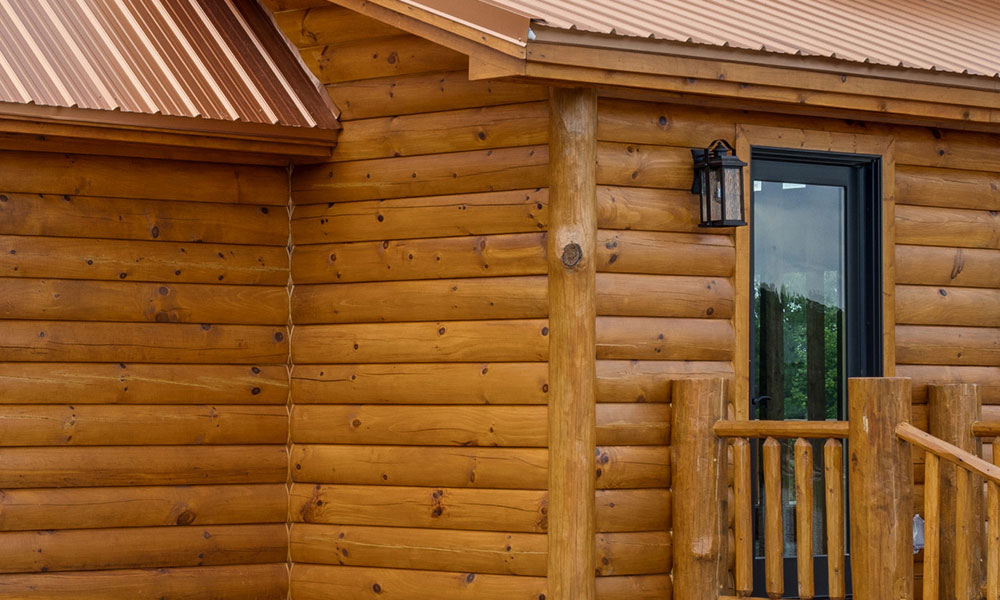
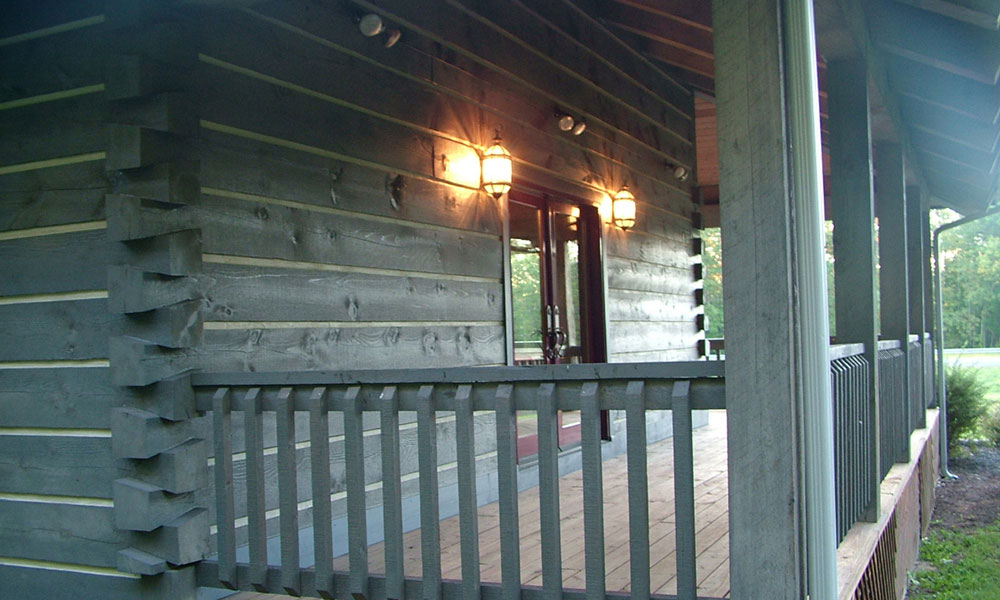
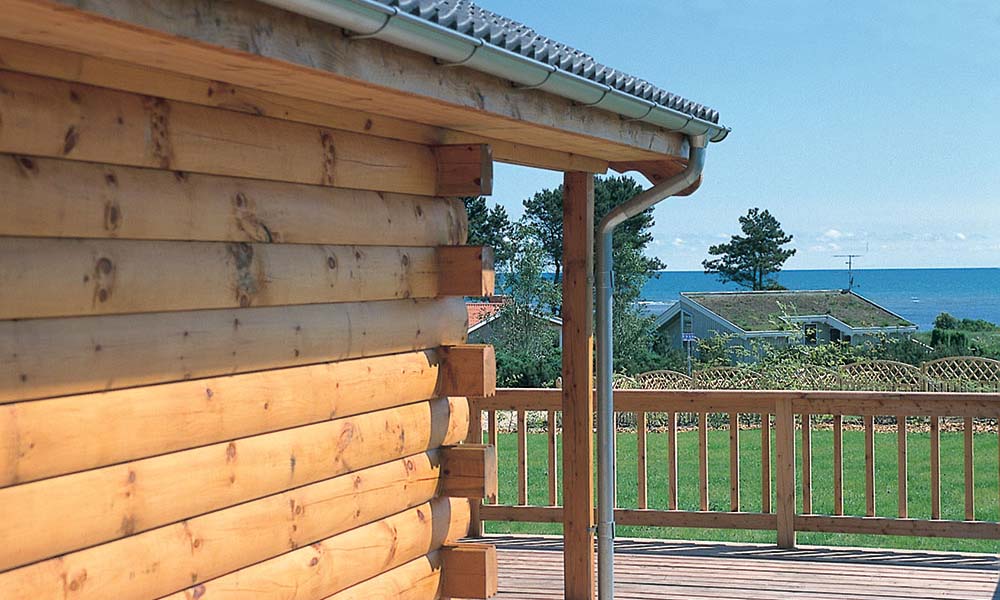
We only use the highest grade of Eastern White Pine logs.
Eastern white pine is one of the most durable, stable, cleanest-looking wood products available.
eLoghomes buys logs directly from large, professional mills that offer consistent quality, and who source from forests meeting the highest standards of conservation.
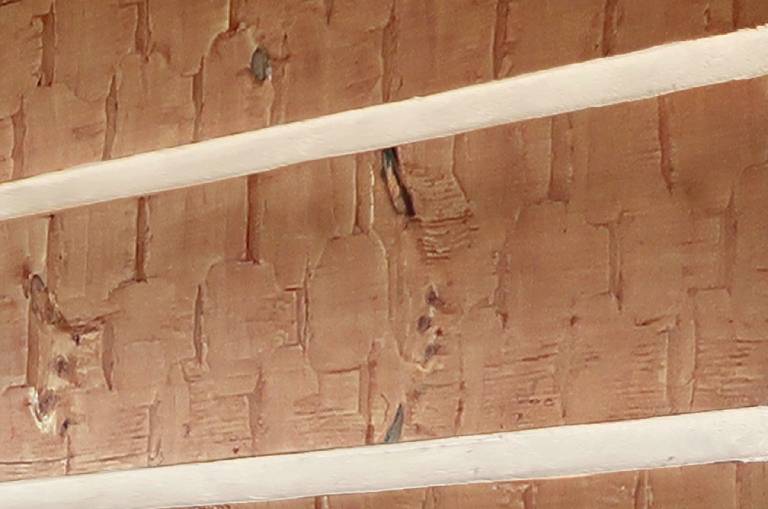
Our logs are slowly dried over months, and the process results in just the right amount of “checking,“ part of that rustic look of a log home. Once installed, log homes and cabins should be treated with a preservative to maintain their long life and appearance.
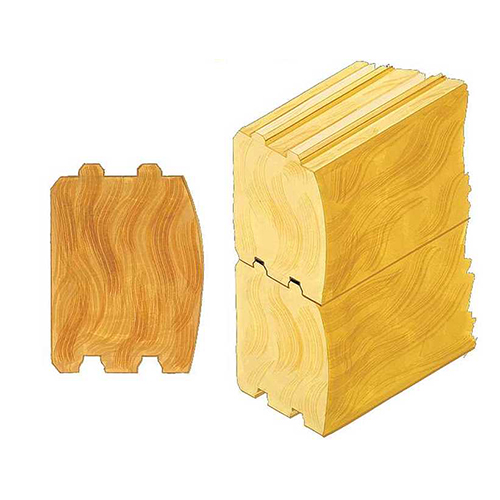
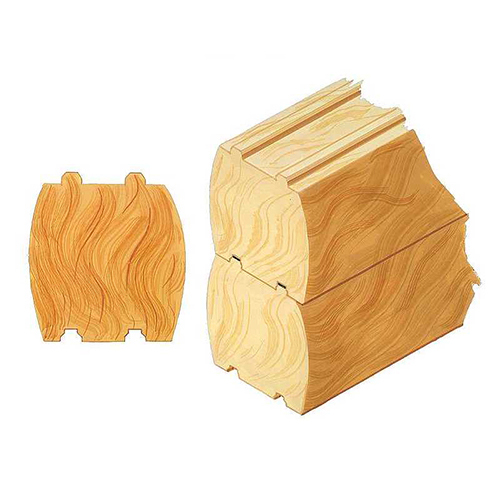
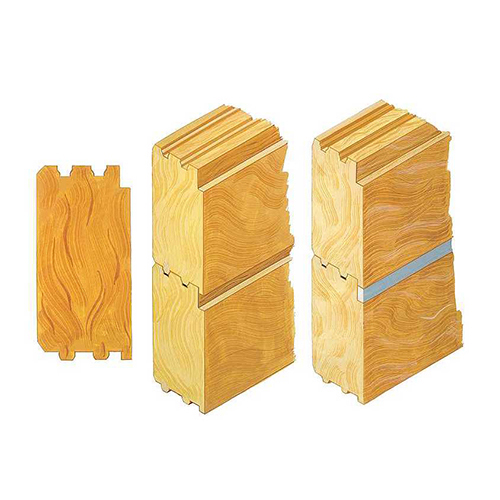
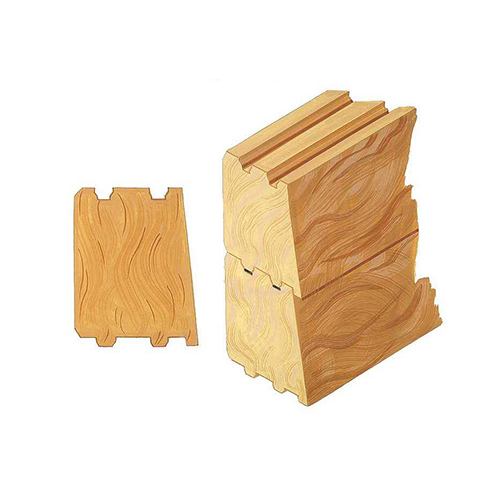
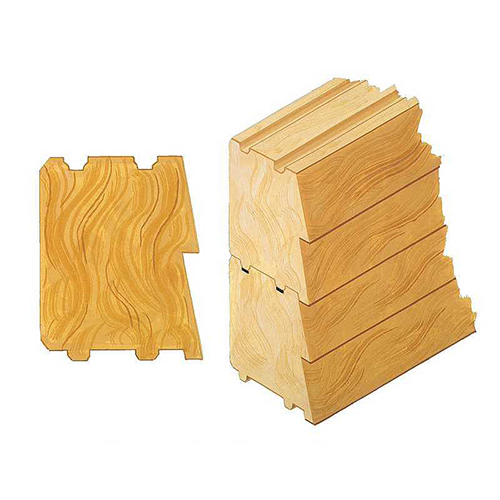
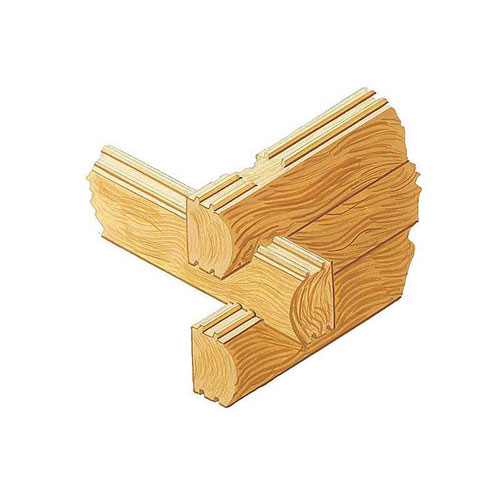
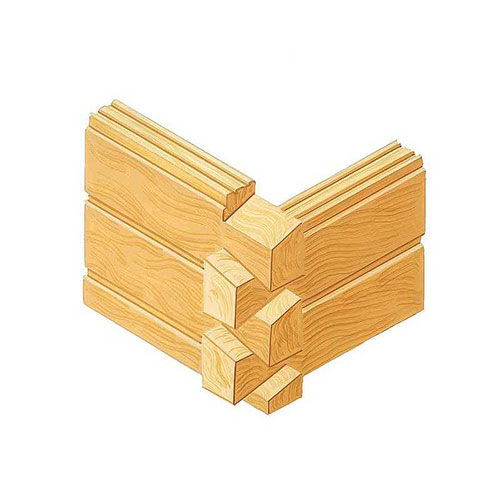
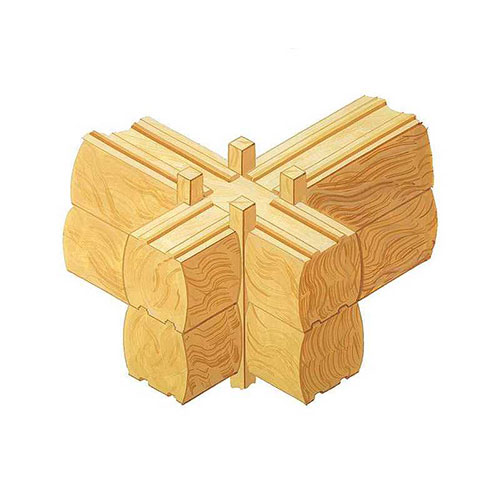
We build our log home walls with a proprietary construction method that ensures a weather-tight system that we call 6-point WeatherLink ™. There are six key elements of our design that contribute to the weather resistance, stability, strength, and energy efficiency of our log walls. Find out more from our team.
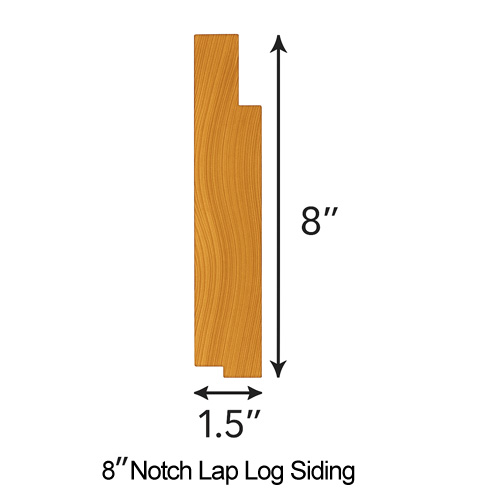
Log siding as an alternative.
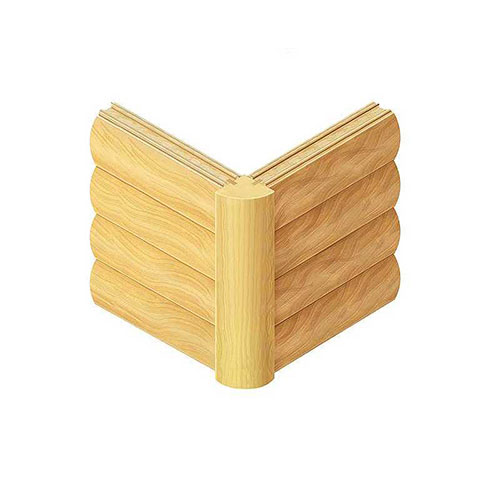
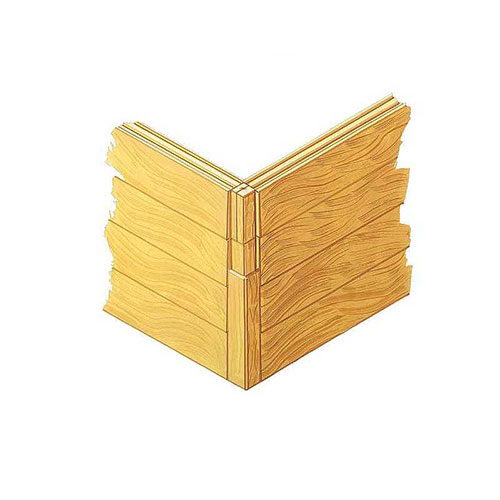
Our log siding is produced from the same Eastern white pine timbers used for full-size logs. Multiple heights are available, and we can replicate the exterior profile of the first floor full log walls to provide a consistent appearance, as well as create corners that match. Log siding is often used on the second floor and gable ends to reduce material costs. It is usually applied to conventional framing systems, e.g., dimensional lumber, OSB, etc., which can be less costly to build, and may offer other benefits in plumbing, electrical, and HVAC installation as well. However, conventional framing systems can be less energy efficient. Our Platinum Energy package utilizes Structural Insulated Panels (SIPs) as an alternative to typical framing systems, and provides higher levels of insulation as well as minimizes air infiltration, providing years of energy savings and increasing the environmental comfort of the home.
Sometimes, our customers opt for a fully log-sided home, which is available in our Silver Package.