


Log Cabin Foundation Types: What to Know
Choosing a foundation type for your log home is one of your first major decisions in the building process. While log walls give your home its character and structure, the base beneath it will support your finished home for decades to come.
Log cabin foundations follow the same structural principles used in conventional home construction. According to the National Association of Home Builders (NAHB), “Log home building systems are not very different than a stick-built home; the same fundamentals apply to construction of the foundation, exterior and interior walls, roof, floors, and utilities.”
There really is no “best” foundation for a log cabin, and you don’t need a special type of foundation for log cabin kits. This is great news because it means you have choices when it comes to choosing a log cabin foundation.
Log Cabin Foundation Types
Let’s dive into the different foundation types suitable for log cabins. Keep in mind that properly engineered foundations for log cabins will support the weight of the home and will be appropriate for the specific conditions of the site.
– Slab on Grade: This is one of the simplest options, involving a concrete slab poured directly on the ground. It’s cost-effective and works well in warm climates or stable soil conditions. However, it may not be ideal for areas with drastic temperature changes or high moisture levels.
– Pier Foundation: A pier foundation for log cabins uses concrete piers or posts driven deep into the ground to support the structure. It’s a good choice for homes built on uneven or sloped land and allows for ventilation underneath the cabin, minimizing moisture build-up.
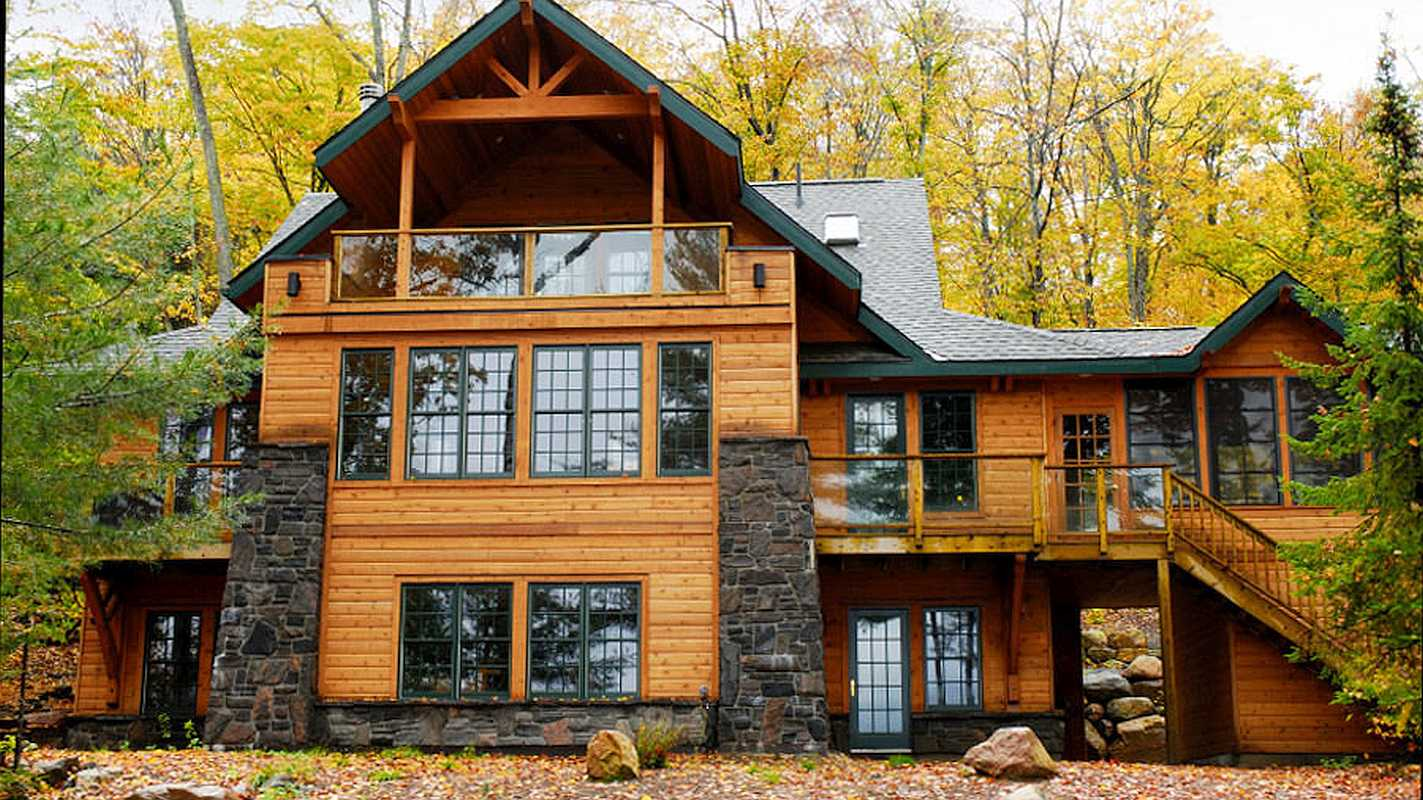
– Crawl Space Foundation: This option creates a small, accessible area between the ground and the first floor of the home. Crawl spaces can be beneficial for plumbing and electrical access but may require additional insulation and moisture control. It also offers a buffer against flooding.
– Full Basement: If space and budget allow, a full basement foundation offers ample storage, additional living space, and can help improve energy efficiency. However, this option requires careful planning to avoid moisture issues. It can also be more expensive due to excavation and construction costs.
Each of these foundation types presents unique benefits and challenges, but they’re all viable options for log homes in general. Which log cabin foundation type is right for your home will depend on the specifics of your site, your budget, and your needs.
Factors That Influence Choice of Foundation
Whether your home will be located near a river, in the mountains, or your favorite lake, your choice of foundation may be limited based on the specifics of your site. Work with your builder or contractor to understand the log cabin foundation requirements for your home. Here are some of the factors that may affect your choices:
Climate
The climate where you plan to build will factor into your foundation choice. Regions with harsh winters may require deeper foundations to minimize frost heave, while areas with milder climates might allow for shallower foundations. The choice of materials and construction methods may vary depending on local climate conditions.
Topography
The slope and general layout of your land will play a significant role in your foundation choice. If you plan to build on steep or uneven terrain—or in an area with a high water table—you may need a log cabin foundation for uneven ground. Piers, for example, can accommodate changes in elevation. On flatter terrain or areas where water intrusion isn’t an issue, simpler foundation types, such as slab on grade, might be more suitable.
Soil Properties
The type and stability of soil will influence your foundation options. Some soils, like clay, may expand and contract significantly, while sandy or rocky soils provide better support and may allow for a wider range of foundation choices.
Local Code Requirements
Municipal regulations are often in place to ensure safety and structural integrity based on regional risks and practices. Your builder or general contractor will need to understand the local building codes and regulations, as these can dictate specific requirements for foundation types and materials.
Personal Preference
Your individual preferences and lifestyle will also affect the type of foundation you choose. If you envision a spacious basement for a game room or guest suite, for example, you may lean towards a full basement foundation. Think about your needs now and in the future when deciding on a foundation type.
Budget
Your budget will significantly influence your foundation choice. Some foundation types, like concrete slab foundations for log cabins, tend to be more cost-effective upfront, while full basements may offer more benefits but come with higher initial costs. Balancing your budget with desired features is key to making a foundation decision that works for you.
Adding a Basement or Crawl Space Under a Log Cabin
When choosing the right foundation for your log cabin, you may find yourself weighing options like concrete slab vs. crawl space for log cabin construction. Similarly, the choice between a slab foundation vs. basement for log cabin construction presents its own advantages.
Both crawl space foundations and basement foundations for log cabins can be highly advantageous. You can use a basement for extra storage, a game room or family room, or even a mother-in-law unit or guest suite.
If a full basement isn’t in the cards, a crawl space foundation provides access to vital utilities while keeping moisture under control. It allows more flexibility for plumbing and electrical systems, making renovations easier down the road.
Ultimately, each option has its own set of benefits depending on your specific needs and site conditions. Consult with your builder or general contractor to find out whether a crawl space foundation or basement is possible on your property.
Build Your Dream Log Cabin With eLoghomes
Whether you’re building a vacation cabin or a year-round home for your family, eLoghomes is here to help you build out your vision. Our log home packages for sale are designed to work seamlessly with every type of foundation.
Whether you choose a simple slab on grade, a sturdy pier foundation, or opt for the added space of a basement or crawl space, we’re here to help. Our team will work closely with your builder or general contractor every step of the way. Learn about our design advantages, then search our extensive model gallery to find your perfect floorplan and get in touch with our team for pricing.
-
Do log homes require special foundations?
The fundamental construction principles are the same for log homes and other residential structures. However, because solid log walls are heavy, the foundation must properly support the load. Your engineer will design your foundation with this and other factors in mind.
-
What is the best type of foundation for a log home?
The best foundation for your home depends on your site conditions, local climate, soil characteristics, building codes, and other factors. Common options include full basements, crawl spaces, slab-on-grade foundations, and pier systems. Your builder and engineer will determine the most suitable design based on a site evaluation and the structural requirements of your home.
-
Can you build a log home on a slab?
Yes, many log homes are built on slab-on-grade foundations. This option is often used in warmer climates or on sites with stable, well-draining soil. The slab must still be engineered to handle the weight of the log structure.
-
Does climate affect the type of foundation you choose?
Yes, climate plays a significant role in foundation design. In colder regions, foundations typically extend below the frost line to prevent shifting caused by freeze-thaw cycles. In warmer areas, frost depth is less of a concern, which may give you more foundation choices.
-
What are prefab cabin foundation blocks?
Prefab foundation blocks are precast concrete blocks designed to support very small, lightweight structures such as sheds or tiny utility buildings. They sit directly on the ground and do not provide the structural stability required for full-sized log homes. These blocks are not appropriate for eLoghomes log cabins or homes, which require engineered foundations designed to support substantial weight.
-
How long does a log home foundation last?
A properly engineered and constructed foundation can last for decades. Longevity depends on soil conditions, drainage, construction quality, and ongoing maintenance. When designed correctly, a foundation will provide stable support for the life of the home.
-
Do eLoghomes packages include the foundation?
Our packages do not include site preparation or the foundation. We do not build your entire home. Our role is similar to a framing contractor, except we provide and install the structural log shell of your home instead of conventional stick framing. Learn more about what is included in our packages.