

When you’re hosting friends and family on the deck or porch, you don’t want to be sprinting back and forth to your indoor kitchen for drinks, side dishes, or extra utensils.
An outdoor kitchen keeps you close to the action while providing everything you need to prepare and serve meals. And cooking outdoors keeps heat out of your cabin—a major plus on warm summer days.
With the right layout and features, your outdoor kitchen can serve as a seasonal extension of your indoor kitchen, and you don’t need a massive setup to make it work. Even a compact design can provide everything you need for weekend breakfasts, summer dinners, or fire-roasted snacks under the stars.
Here are some of the benefits of a log cabin outdoor kitchen:
- Keeps cooking heat and mess outside
- Frees up indoor space for other uses
- Encourages gathering and dining outdoors
- Enhances visual appeal of deck or outdoor space
- May boost property value
If you love to spend time outdoors, an outdoor kitchen might just be a must-have part of your log cabin design. The key is planning with intention and choosing features that match the way you cook and entertain. Keep reading for a high-level outdoor kitchen planning guide.
Planning Considerations
Before you break ground on your outdoor kitchen, take time to plan the details that will shape how it looks, functions, and fits your lifestyle. Avoid some common pitfalls with these tips:
- Space: Decide how much of your outdoor area you want to dedicate to your outdoor cooking space. Factor in cooking, prepping, and serving space. Even compact spaces can work well with a smart, scaled-down design.
- Layout: Organize your kitchen into clear zones for cooking, prep, and storage to streamline your workflow. A simple, efficient layout will make cooking outdoors feel effortless.
- Budget: Set a realistic budget early to help prioritize the features you care about most. Start with the essentials and leave room for upgrades later.
- Construction Costs: Account for labor, site prep, and utility hookups—not just materials. Choosing durable, low-maintenance surfaces can help manage long-term costs.
- Permits: Check local building codes before starting any work or consult with your builder or general contractor. Anything involving gas, electricity, or plumbing will likely need a permit and inspection.
If you plan to build your outdoor kitchen on the deck, there may be additional structural considerations. The team at eLoghomes will work with your builder or contractor to map out a plan for your home.
Outdoor Kitchen Essential Features
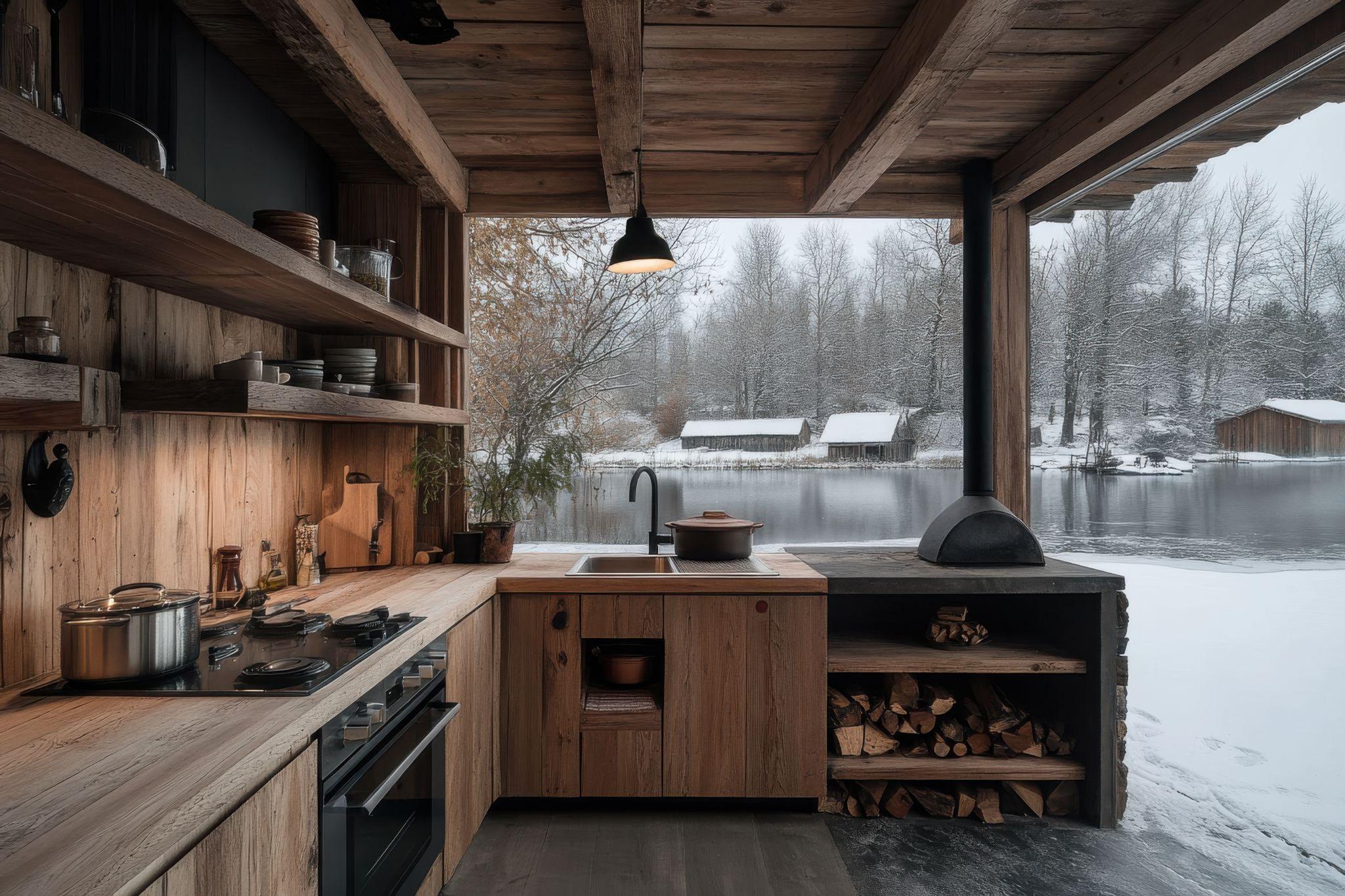
An outdoor kitchen works best when it includes features that complement the way you like to cook. Here are some essential features to consider:
Grill
The grill is the centerpiece of most outdoor kitchens. Whether you go with charcoal, gas, or pellet, choose a model that fits your cooking style and frequency. Built-in grills offer a permanent setup with a sleek design, but freestanding models can give you more flexibility. Look for a grill with multiple burners and a side shelf for maximum functionality.
Countertops
You need durable counter space for prep, plating, and serving. Materials like stainless steel, concrete, or granite hold up well in outdoor conditions and clean up easily. Make sure you leave enough counter space next to the grill for trays and utensils. Even an extra foot can make a big difference when you’re juggling main dishes, sides, and drinks.
Sink
A sink is a major convenience and makes your outdoor kitchen more sanitary. It gives you a place to rinse vegetables, wash hands, and clean up without heading back inside. A basic cold-water hookup might be all you need, but a mix of cold and hot water is best. Just be sure to winterize your plumbing if you live in a cold climate. If you don’t want to run plumbing to your outdoor kitchen, you can opt instead for a sink with a water pump and refillable tank.
Storage
Well-designed storage keeps your tools, dishes, and supplies protected and within reach. Stainless steel cabinets or weatherproof drawers work well in outdoor conditions. Built-in options keep your space looking clean and uncluttered. Store only what you’ll use outdoors to avoid overcrowding.
Oven
An outdoor oven adds flexibility, especially if you love baking and roasting side dishes. A built-in oven is ideal but can add to your costs considerably. A compact portable convection oven is a smart alternative, since it can be stored away when not in use. Choose the best option for you based on how often you’ll use the oven and how much space you have.
DIY or Professional Installation?
Choosing between DIY and professional installation depends on your skill level, schedule, and confidence with building projects. A professional crew will manage the full scope of the project and ensure everything meets code. This is especially critical for plumbing, gas, and electrical, which should always be handled by licensed pros.
If you’re handy and want to get involved, you might handle tasks like installing cabinets, setting appliances, or adding finishes. This approach can reduce costs and add a personal touch. But make sure core systems are professionally installed. A mix of expert work and DIY effort may be your best bet.
Build Your Dream Cabin + Outdoor Kitchen with eLoghomes
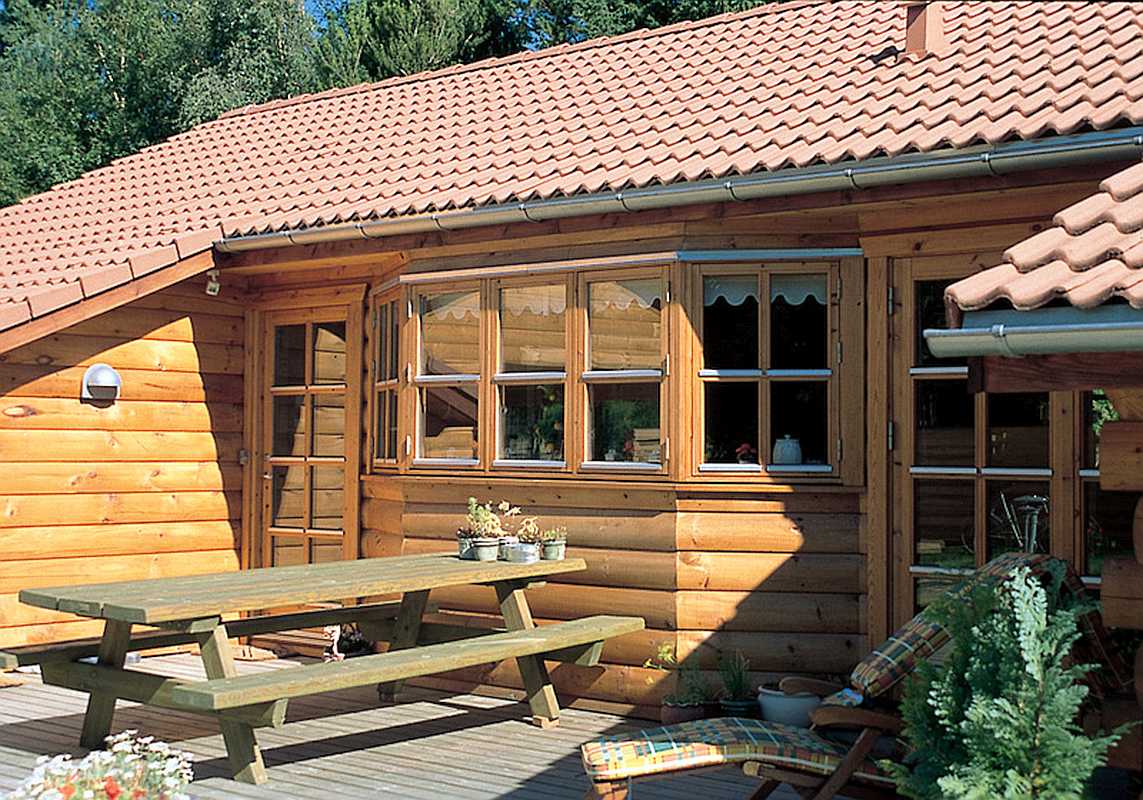
Al fresco cooking is one of the simple pleasures of log cabin living. A well-designed outdoor kitchen can make your log cabin lifestyle even more rewarding. If you’re in the planning stages of building a log home, consider using a log home package by eLoghomes.
Our log home models streamline the home-building process by eliminating the need to hire an architect. Choose from 200 fully customizable models, from tiny cabins to expansive multi-story homes. Our team will work with your builder or general contractor to map out your vision for the perfect outdoor space—including your outdoor kitchen. Get in touch with us to learn more and for pricing.