
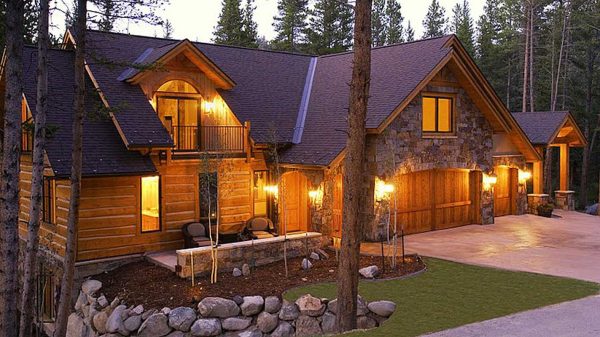
Many homeowners consider the garage to be an essential extension of their home. Depending on how you live and what your needs are, your garage might double as a workshop, a home gym, or even a music studio. eLoghomes packages are built around flexibility and customization, and we offer an optional garage upgrade for all our log home models.
If a garage is a must-have for your new log home, you’ll need to decide between an attached and detached space. Before you make the call between the two options, though, it’s worth considering the practical, aesthetic, and lifestyle impacts of each option. Ahead we’ll explore the advantages of each option to help you decide.
What Is an Attached Garage?
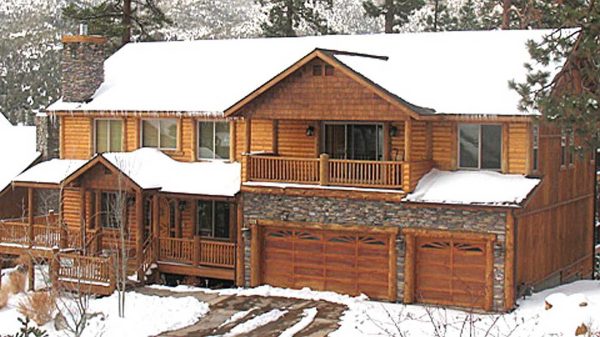
An attached garage is built as part of your log home, sharing at least one wall with the main structure. It provides direct access to your home, typically through a door that leads into a mudroom, hallway, or kitchen.
This setup is convenient in bad weather, since it allows you to move between your car and home without stepping outside. Attached garages can also serve as additional storage or workspace, and they typically blend seamlessly with the overall design of your home.
Great for:
- Those who want easy access to their vehicles during cold or rainy weather
- Homeowners looking to add square footage for storage, hobbies, or a workshop
- Families who value security and want a direct entry from the garage to the house
- Homeowners aiming to keep construction costs lower compared to building a separate structure
- People who plan to use the garage frequently and appreciate the convenience of proximity
What Is a Detached Garage?
A detached garage is a standalone structure, separate from the main home. It’s usually located a short walk away, but it can be just a few steps away, either beside or behind the house. Because it’s not physically connected to the house, a detached log garage can reduce noise and provide added privacy. It’s a great way to create a distinct space for storage, hobbies, or even guest accommodations without altering the footprint of your home.
Great for:
- Those seeking a versatile space separate from the main house
- Homeowners who want to reduce noise or fumes near their living areas
- People interested in creating a workshop, music studio, or guest suite away from the main house
- Log home buyers looking to preserve the traditional look of their home without an attached addition
- Property owners who have more space to work with and want design flexibility
Attached vs. Detached Garages
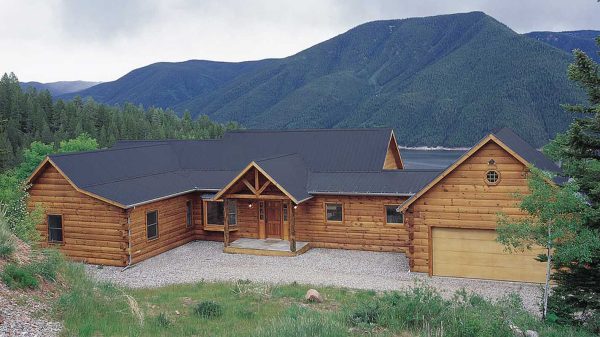
There are a handful of things to consider when deciding between an attached and detached garage for your log home. Each option offers unique benefits, and the best choice will come down to your lifestyle, aesthetic preferences, and the layout of your property. Here’s how each option stacks up across key categories:
Appearance
With good design, both attached and detached garages can enhance your home’s curb appeal. An attached garage offers a seamless look when thoughtfully integrated into your home’s architecture. A detached garage designed to match your home is a standout feature on its own. There’s no clear “winner” in terms of appearance—both are great options.
Customization
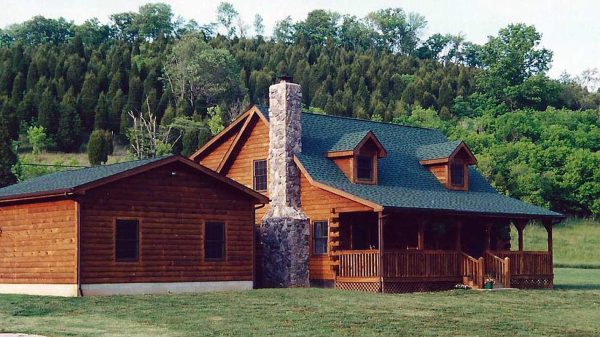
A detached garage may give you more flexibility when it comes to layout and function. Because it’s a standalone structure, you can design it with a different roofline, add a loft, or even use it as a multi-purpose building. You don’t necessarily need to match the garage to the design of your main home (although this is usually preferred). This freedom makes it easier to tailor the space to your exact needs and preferences.
Price
An attached garage is generally more cost-effective to build. It shares walls, utilities, and roofing with the main home, which cuts down on materials and labor. A detached garage, by contrast, requires its own foundation, electrical wiring, and other infrastructure, which can increase overall costs.
Functionality
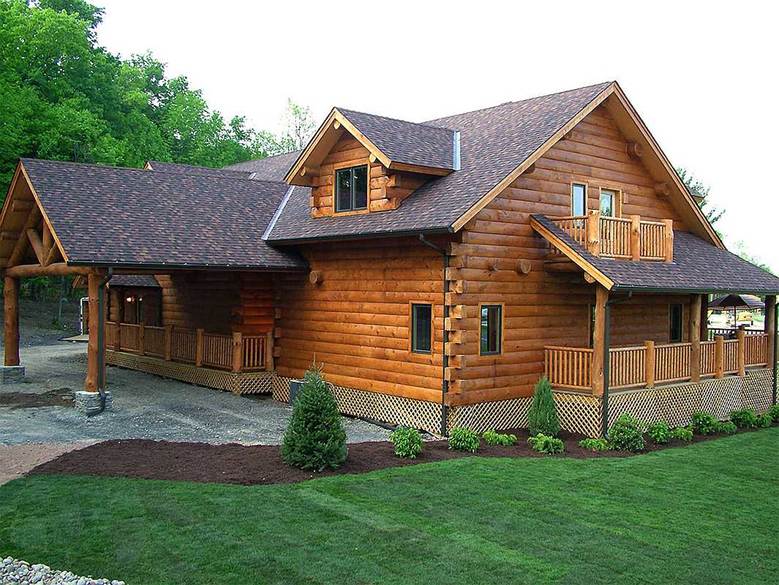
For day-to-day convenience, attached garages often come out on top. You can move directly from your car to the house without exposure to the elements—a big plus in colder climates or in areas with rain all year round. It may also be easier to load the car and bring in groceries or other items from an attached garage, especially if it leads directly into the kitchen.
If you have your heart set on a detached garage, a porte cochère can eliminate the problem of dealing with weather between the garage and main home. Some of our home models, like the Big Sky, include a porte cochère—get in touch with us to learn more.
Maintenance
Attached garages share walls and roofing with the main house. This shared structure offers added protection from the elements, reducing wear on exterior materials like siding and roofing. Utilities may also be easier to access, which can simplify repairs and upkeep. As separate structures, detached garages are exposed to weather on all sides and may require more frequent attention to siding, roofing, and the foundation.
Resale Value
When designed well, both attached and detached garages can add value to your home. Buyers often appreciate the convenience of an attached garage, especially in areas with harsh winter weather. At the same time, well-designed log houses with detached garages—especially ones with a bonus space, like a loft or studio—can be a major selling point for those looking for versatility. Bottom line: both options contribute to the value of your home.
Build Your Log Cabin + Garage with eLoghomes
There really is no “winner” when it comes to log cabin garages. Both options have their advantages. Your garage should serve your needs now and in the future, and we hope this guide helps you decide between the two.
eLoghomes offers an optional garage upgrade for all our log home models. Get in touch with our experienced team to find out how we can help you create log cabin garage plans that work for your needs.