
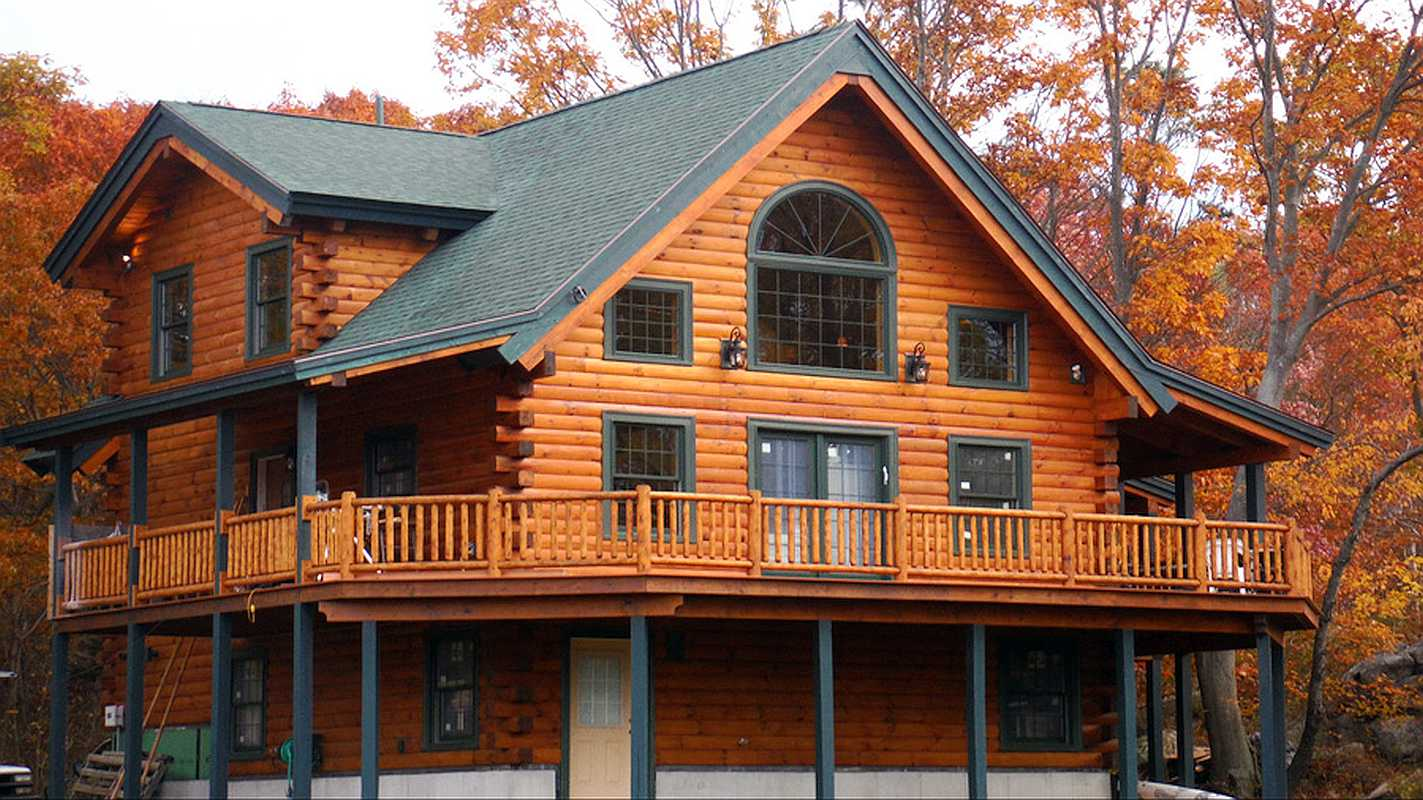
If you’re thinking about building a log home, now is the perfect time to start planning for how it will perform in every season. The natural beauty of a log home draws many people in, but it’s the “behind-the-scenes” systems that keep your home energy efficient and weather-ready all year long.
One of the most important decisions you’ll make is choosing your log wall system—this is critical for ensuring your home stands strong through rain, heat, wind, and snow. But there are lots of other decisions to make.
A good builder or general contractor will guide you through selecting weatherproof systems to prepare your home for winter and summer, from roofing to insulation to weatherstripping, but it’s always good to be informed.
Ahead we’ll walk you through key things to consider—and ask—while planning your build. Good design will put you ahead of the game when it comes to preparing your home for summer and winter. And it will make log cabin maintenance easier all year round.
Opt for structural insulated panels (SIPs).

Structural insulated panels, or SIPs, are a smart choice when it comes to comfort and energy efficiency. These panels replace traditional framing and insulation in areas like the upper levels, gable ends, and roof.
Made of structural OSB boards sandwiching a core of high-performance EPS insulation, SIPs help regulate indoor temperatures year-round while reducing energy costs. Ask your builder and/or log home manufacturer about integrating SIPs for long-term savings and year-round comfort.
Choose precision-milled logs.
The wood you choose for your log walls matters, and so does the milling process. Precision-milled logs go through a specialized process that ensures uniform sizing and a tight, consistent fit to reduce air and moisture infiltration. Many log home manufacturers—including eLoghomes—also use either air dried or kiln dried logs, which reduces moisture content and minimizes the risk of warping or shrinkage over time.
A snug fit between logs is key to designing a weatherproof log cabin. It enhances energy efficiency and helps your home remain sealed against air and water infiltration. When you’re reviewing log options, ask about the milling and drying process they use and how it supports long-term durability.
Select premium windows and doors.
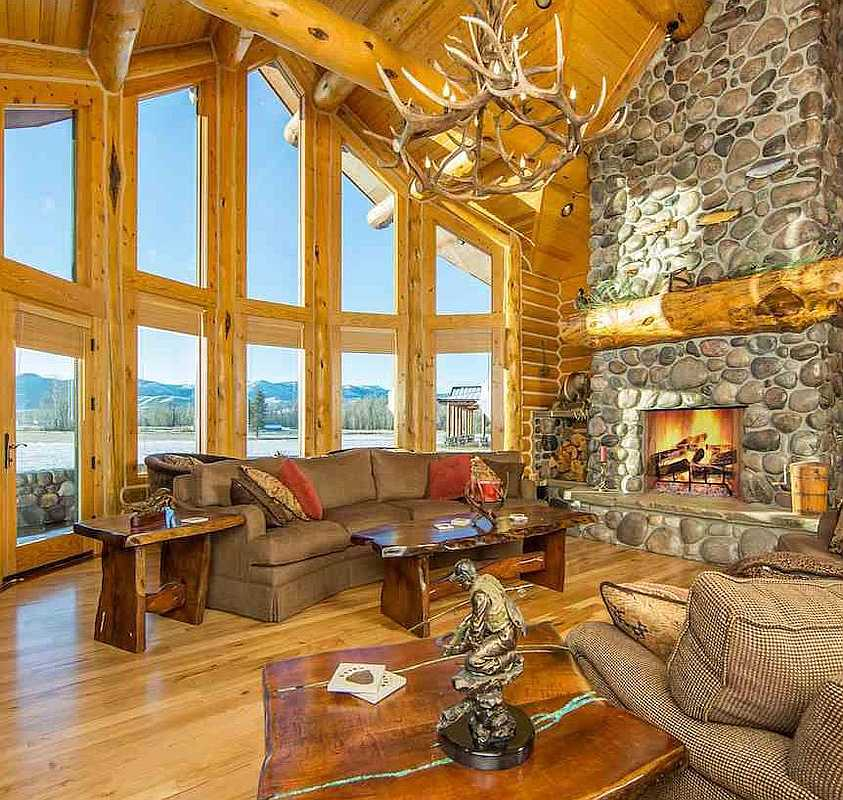
Windows and doors play a major role in your home’s overall performance. Choosing high-quality options—like double or triple-pane glass—helps reduce heat loss in the winter and keeps cool air inside during the warmer months. Look for windows with low-e coatings and well-insulated frames for even better energy performance.
How the windows and doors are installed is equally important. Improper installation can lead to leaks and drafts, no matter how premium the product. Talk to your log home manufacturer about the best window and door packages for your climate zone and how they’ll be installed to maximize efficiency.
Add extra protection with quality weatherstripping.
Weatherstripping may seem like a small detail, but it’s essential for sealing out drafts, moisture, and pests. It’s applied around doors and windows to block unwanted air and water from getting inside. There are a few common types, including foam tape, V-strips, and rubber gaskets. Each serves a specific purpose depending on the location and size of the gap being sealed.
During the planning phase, ask your builder or general contractor about which weatherstripping options are best suited to your design. It’s a simple step that adds significant value—especially when you’re thinking about how to prepare your home for winter or reduce cooling loss in summer.
Keep gutters clear.

Gutters do more than manage rainwater—they protect your foundation, walls, and roof from water damage. When gutters become clogged, water can overflow and collect near the base of your home, causing erosion, wood rot, or leaks. Whether you’re in a region with seasonal downpours like California or constant rain like Florida, keeping gutters clear is a vital part of log cabin maintenance.
Plan to have your gutters cleaned before the rainy season starts. If your home is surrounded by trees, consider gutter guards to reduce buildup. A good builder can advise on gutter systems that best suit your home’s design and your local weather patterns.
Insulate your plumbing.
Frozen pipes are one of the most common cold-weather risks—but it’s an avoidable problem with good planning and design. Insulating your plumbing helps keep pipes from freezing and bursting during extreme temperatures. This includes wrapping exposed pipes and installing insulated faucet covers over hose bibs and outdoor spigots.
If you’re planning to build in a colder climate, talk with your builder or general contractor about plumbing insulation options. Many builders also suggest placing pipes away from exterior walls and using heated tape or foam sleeves where necessary. It’s an important step as you prepare your home for winter and protect it from costly damage.
Seal/stain/paint decking regularly.
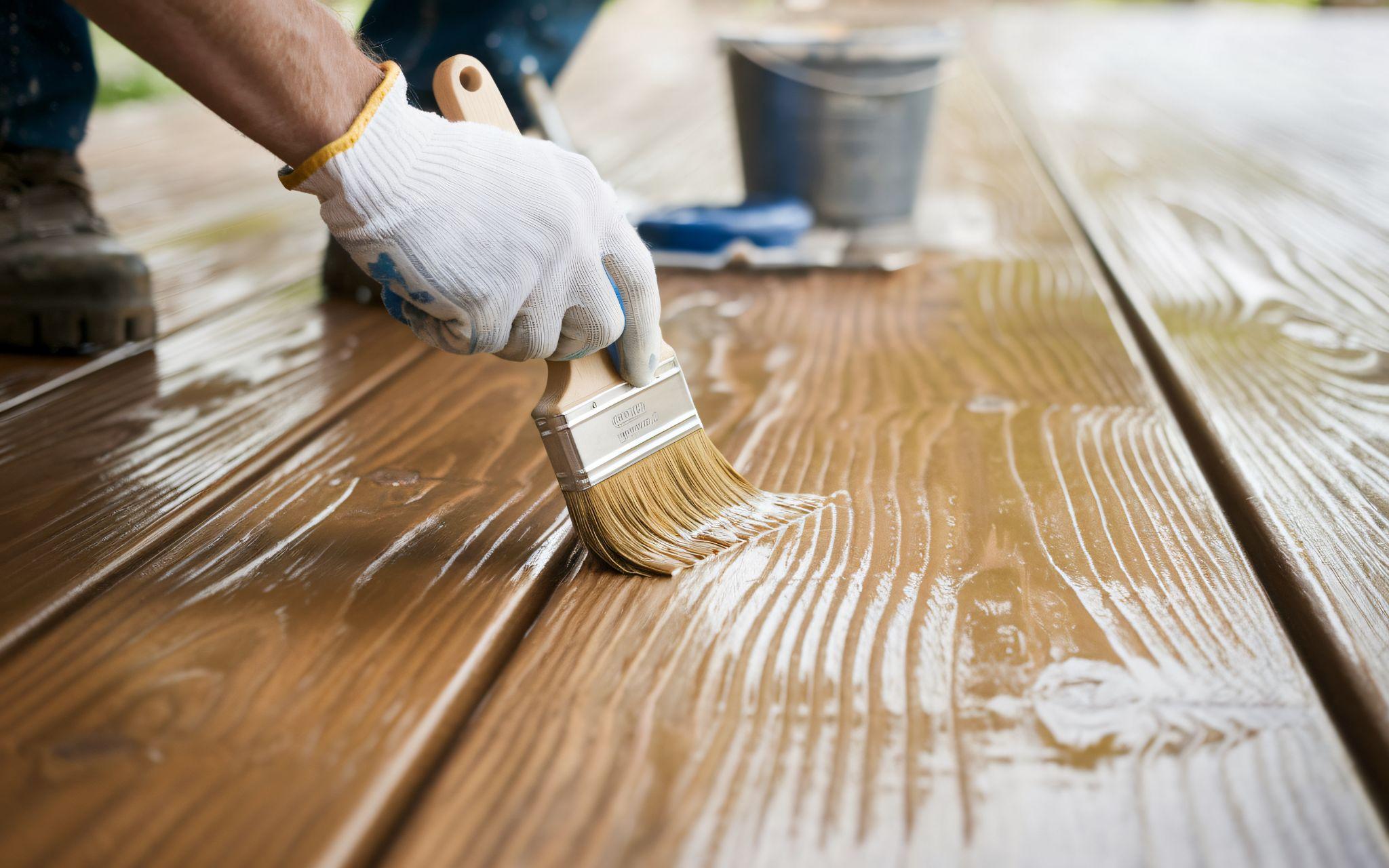
Decks and porches are some of the most exposed parts of your log home. They face sun, rain, snow, and foot traffic—all of which can wear down the surface over time. To keep decks and porches in good condition, plan to seal, stain, or paint them on a regular schedule. This protective layer helps prevent moisture from soaking into the wood, which can lead to cracking, warping, or rot.
The right product depends on your climate and the look you want. A clear sealant preserves the natural wood grain, while a stain adds color and highlights texture. Paint offers the most coverage but hides the wood’s natural beauty. No matter what finish you choose, the key is consistency. Ask your builder to recommend products suited for your region and build regular deck treatment into your all seasons property maintenance routine.
Build Your Dream Log Cabin with eLoghomes
As one of the nation’s log home manufacturers and builders, eLoghomes leads the way in energy-efficient log home design. We designed our log home kits to streamline the home-building process. eLoghomes packages arrive with everything your builder or general contractor needs to start building the shell of your home.
We also offer optional construction services to make the home-building process even more efficient. Learn about our design advantages, then search our portfolio of more than 200 fully customizable log home models to find your perfect floor plan!