
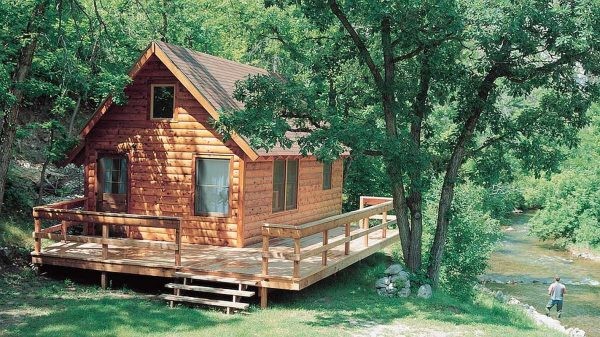
The tiny house movement exploded around 2009 in the wake of the housing crash—and there’s no sign of a slowdown.
But it’s not just tiny homes on wheels that have grown in popularity. Small cabins on permanent foundations also have a growing fan base. More people than ever want the freedoms and benefits that come with a pared-down lifestyle (like lower utility bills and less debt).
A smaller cabin requires less maintenance and can save you money at every turn—starting with the cost of land. And when you build your own log cabin from the ground up, you get to customize it to your preferences and add innovative space-saving features right from the get-go.
Sometimes less really is more.
If you plan to join the growing number of tiny cabin dwellers—whether for your primary home or a vacation getaway—these tiny cabin ideas can help guide you on how to make the most of a home with a small footprint.
1: Add a deck or porch.
Incorporating a deck or porch is a cost-effective way to increase the size (and value) of your cabin.
A large deck or patio can easily add hundreds of square feet of living space to your home. And since a deck naturally draws you outside, it can help you and your family stay more connected to nature.
If you live in an area that gets a lot of rain or snow, keep in mind that decks and porches can be modified to accommodate the climate where you live. A covered deck, for example, will allow you to use the space in winter, while a screened-in deck or porch will keep the mosquitoes at bay in summer.
2: Go with high ceilings.
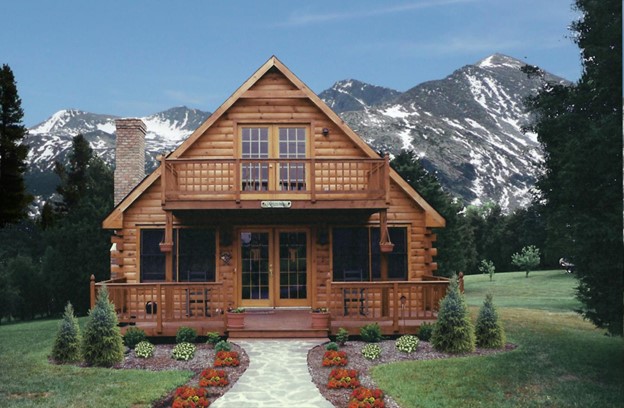
A vaulted or cathedral ceiling can make even the smallest spaces feel grand. In fact, increasing the height of a ceiling by just a foot or two can make a room feel less claustrophobic.
If you don’t like the idea of “empty” vertical space, a cabin with a sleeping loft is an ideal compromise. This classic design gives the main living area an open feel while still utilizing vertical space in an innovative way.
3: Find creative storage solutions.
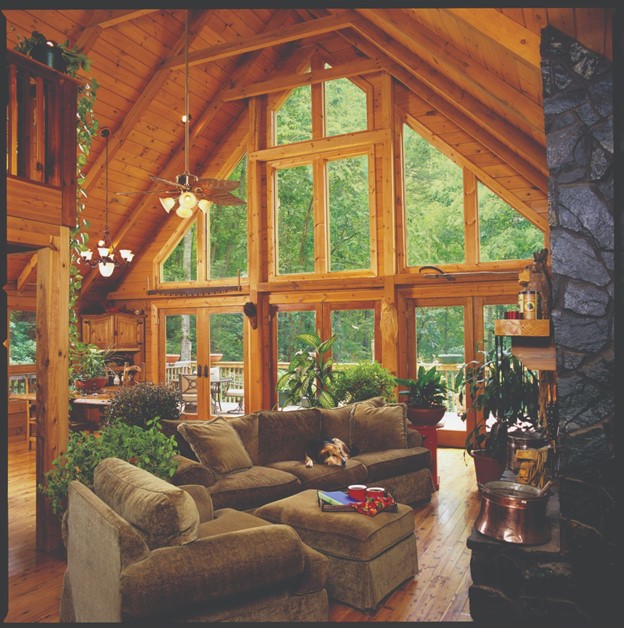
If the tiny house movement has taught us anything it’s how to squeeze the most out of every square inch. Here are some clever storage ideas:
- Turn your bed into a storage unit with a captain’s bed frame or install a Murphy bed.
- Add bench seating with built-in storage to a breakfast nook.
- Choose a sofa or sectional that has hidden storage compartments.
- Incorporate built-in storage into your staircase (“stair drawers” are a mainstay of the tiny house community).
- Invest in modular furniture pieces that offer maximum flexibility.
Work with your builder or contractor to find creative storage solutions that help you maximize space.
4: Choose sliding doors.
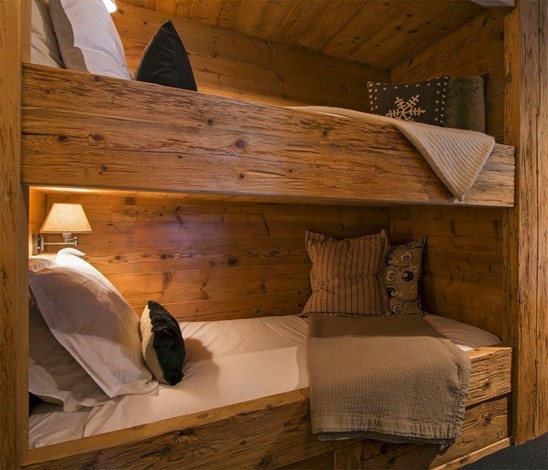
Traditional swinging doors can cause problems, even in large homes. It’s safe to say we’ve all encountered a tight corner where three doors intersect awkwardly.
Sliding doors eliminate this common problem. It’s why they’re so popular in contemporary home design. Sliding doors can also help create a better sense of flow from one space to the next. Building a cabin from the ground up gives you the perfect opportunity to incorporate this space-saving feature into your home.
Just be aware that sliding doors do take up wall space. If this isn’t practical, pocket doors may be a good alternative. Ask your contractor or builder about where you might be able to incorporate sliding or pocket doors into your cabin design.
5: Opt for a space-saving staircase design.
Nothing eats up space like a bulky set of stairs. A narrow, straight staircase built against a wall takes up less space than u-shape or right-angle stairs.
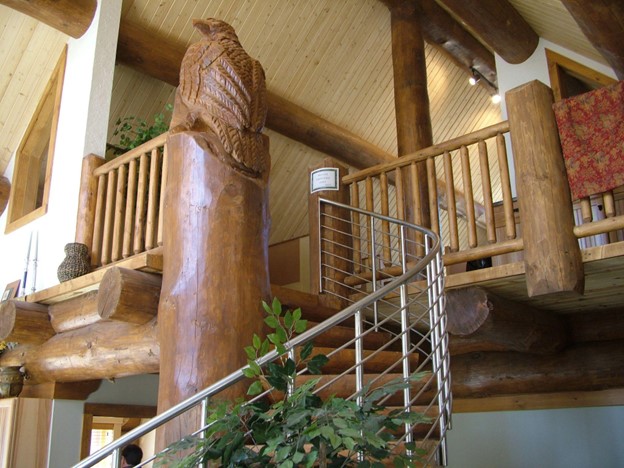
If your cabin will have a loft, a ladder or spiral staircase are good space-saving options. Spiral stairs make it challenging to move bulky items, however, and they’re not ideal for people with limited mobility, so choose carefully according to your needs.
6: Incorporate a slim fireplace.
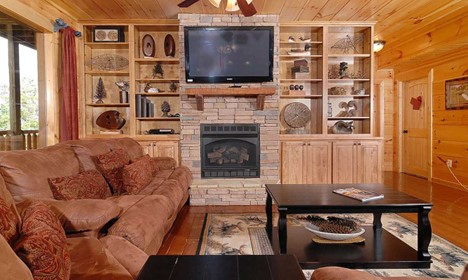
A fireplace is a must-have for many people, but a traditional built-in hearth can take up an entire wall. Thankfully, there are plenty of space-saving designs that preserve precious square footage.
A freestanding wood-burning or gas stove is a good option if you have a free corner. Another option is a hanging (wall-mounted) fireplace with a slim design. They’re easy to install and take up very little wall space. A third option is a portable fireplace. Bring it out when you need it and tuck it away when you don’t.
7: Choose an open floor plan design.
An open floor plan makes common areas feel more spacious, and they help foster togetherness. To make a small cabin feel larger, choose a design with a great room that merges seamlessly into the kitchen and dining area, like the Plymouth model by eLoghomes.
Also opt for a model with large windows or skylights to bring in more natural light and views of the outdoors. If you plan to build a deck or porch, be sure to install sliding glass doors or large windows that offer a clear view to the outside. This helps create the illusion of more space.
8: Pick the right-sized logs.
Proportion matters when it comes to log size for your cabin. Huge logs don’t make sense for a tiny cabin, and they can end up making the space feel smaller.
Log size can impact energy efficiency, so be sure to ask your log home supplier which size logs make the most sense based on the size of your home and the climate of your region.
Why Going Small Makes Sense
Whether your dream is to live a minimalist, off-grid lifestyle or you want a classic lakeside cabin for family vacations, a well-designed cabin can meet all your needs—even a one-room log house.
One of the greatest benefits of small cabin living is how it fosters connection with nature. By design, tiny cabins encourage more interaction with the great outdoors. It’s one of the most common reasons people seek out this lifestyle.
But there are so many other benefits to small cabin living. A tiny cabin is energy efficient, costs less to build, furnish and maintain, and is cozier and more intimate.
Benefits of Using a Tiny Log Cabin Kit
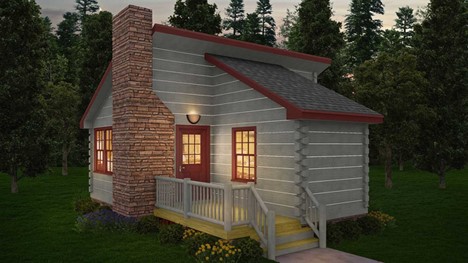
Even building a small cabin requires a lot of planning. Tiny log cabin kits simplify the process by giving you a structured starting point while still allowing room for customization. It brings efficiency, predictability, and quality together in a way that traditional builds often struggle to match.
- Streamlined construction process: Both tiny log cabin kits and ADU log cabin kits include pre-cut and pre-measured materials, which reduces guesswork and speeds up construction. This allows you to move from planning to building your small log cabin home with greater confidence.
- Cost control and predictability: With materials bundled into a single package, it becomes easier to estimate total costs upfront. This helps you avoid unexpected expenses that can arise during a traditional build.
- Proven designs and layouts: Cabin kits are based on floor plans that have already been engineered for functionality and efficiency. You benefit from layouts that make smart use of every square foot.
- Customization flexibility: Even with a pre-designed kit, you can adjust features like layouts, finishes, and upgrades to match your needs. This balance gives you both structure and creative control.
- Faster build timeline: Since much of the planning and material preparation is already completed, construction moves more quickly. You can enjoy your cabin sooner without sacrificing quality.
Whether you want to build a small backyard log cabin for your primary home or a small log cabin for a vacation home, small log cabin kits offer the perfect solution. Tiny log cabin kits provide a practical path to building a well-designed home with fewer complications and more control.

Design Features to Add to a Small Log Home
Every square foot counts in a small cabin, so you’ll want to choose a small log cabin floor plan that maximizes comfort and function. The right features can make your home feel more spacious, improve storage, and create a more comfortable living environment without increasing the footprint. Here are some features to consider:
- Decks and porches: A tiny log cabin home with a deck or porch can dramatically increase your overall living space. These outdoor sanctuaries create a natural area for relaxing, dining, and entertaining year-round.
- Vaulted ceilings: Higher ceilings draw the eye upward and make smaller rooms feel more open. This design choice works especially well in main living areas where you want to create a sense of space.
- Loft: A loft provides additional sleeping or storage space without expanding your home’s horizontal footprint. Lofts are ideal for log cabins in the mountains, where expanding outward can be more challenging.
- Handcrafted accents: Custom accents like exposed beams, hand-carved railings, and wood trim add character without a larger footprint. These details reinforce the log cabin aesthetic and create a cohesive interior.
- Open floor plan: Combining the kitchen, dining, and living areas reduces barriers and improves flow. This layout helps smaller cabins feel less confined.
- Built-in storage solutions: Features like under-stair storage, built-in shelving, and multi-use furniture keep clutter under control. Smart storage keeps the cabin organized without sacrificing style.
- Large windows and natural light: Well-placed windows and doors bring in more light and make the space feel larger. They also help connect the interior with the surrounding landscape.
With the right combination of features, a small log cabin can feel efficient, comfortable, and well-designed from top to bottom.
Maximize Vacation Living With a Tiny Log Home
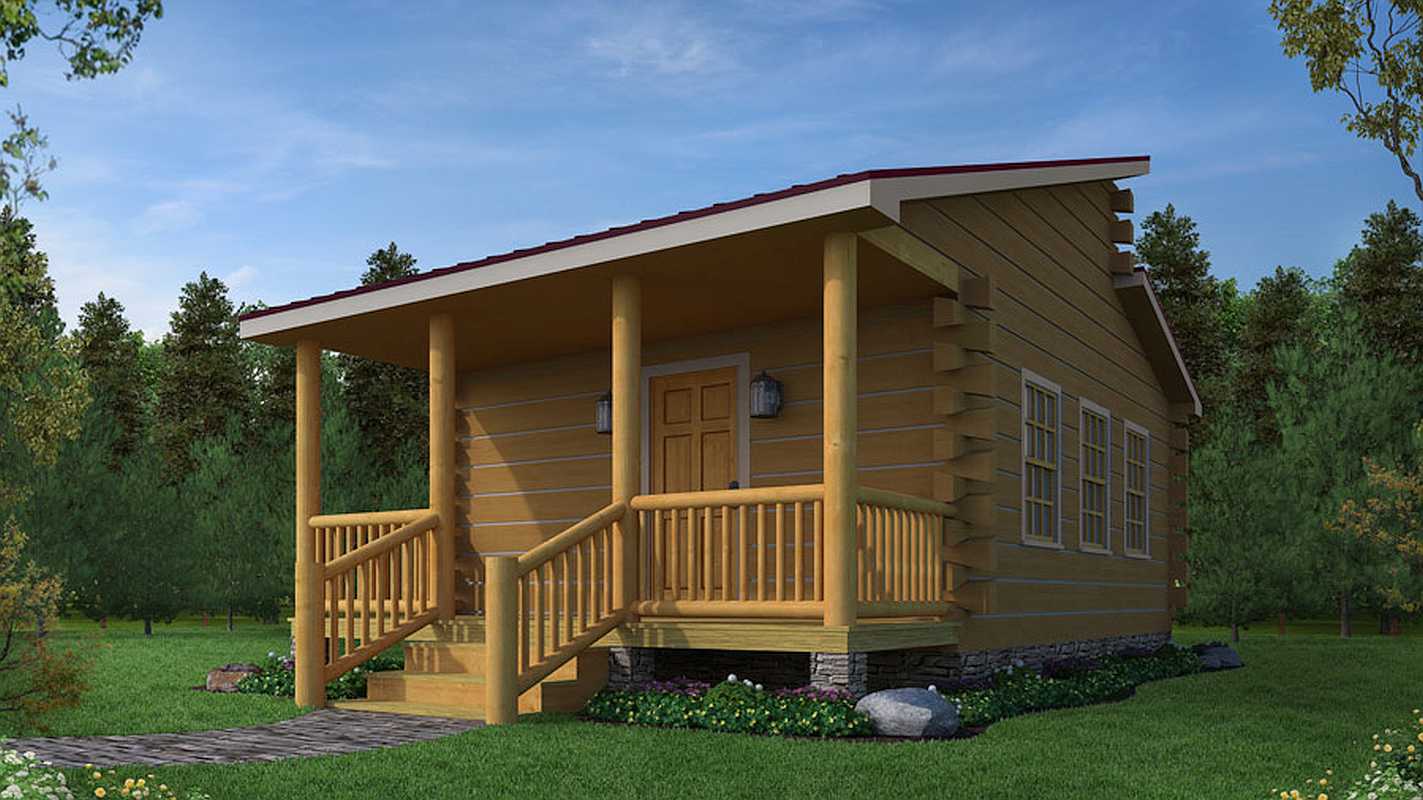
A small log cabin creates a flexible and comfortable space for vacation living without the complexity of a larger build. Our versatile cabins work well as both personal retreats and income-generating properties. Here are some use cases for our one-bedroom log cabin kits:
- Lower maintenance vacation homes: A small cabin is ideal for a vacation getaway in the mountains or at your favorite lake or river. Smaller homes require less cleaning, so you can spend more time enjoying your time away.
- Private guest suites: A small log cabin guesthouse with a bathroom gives family and friends a comfortable place to stay without crowding your main home and adds privacy while keeping everyone close by.
- Short-term rental opportunities: Small log cabins are ideal for vacation rentals to generate income—even in your own backyard. It’s an attractive offering for guests who want a quiet and memorable stay.
- Accessory dwelling units (ADUs): eLoghomes’ ADUs are ideal for extended family or long-term guests. These units provide independence without losing connection to the main property.
- Mother-in-law accommodations: Small log cabins and ADUs offer a practical solution for multi-generational living, allowing your loved ones to retain their independence while living on your property.
Building a one-bedroom log cabin is easy with eLoghomes. Our designs make it easy to create a cozy and compact vacation home that fits your goals.
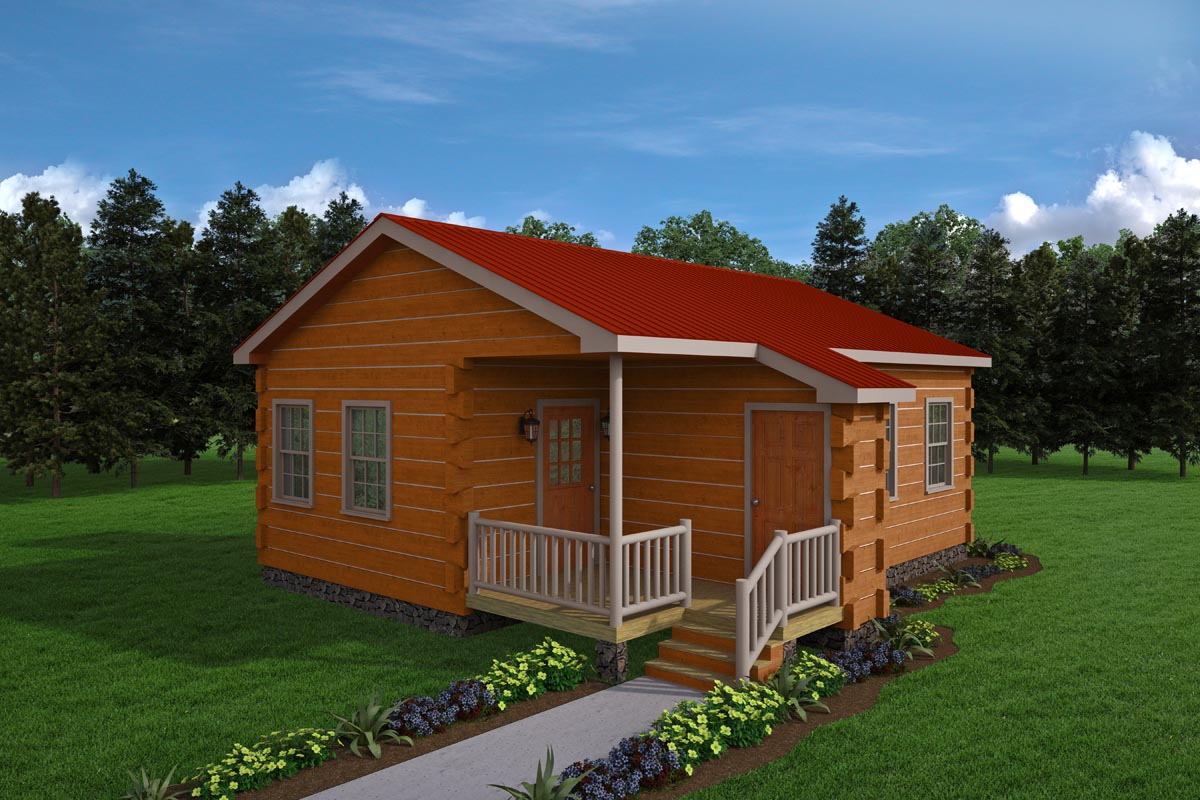
eLoghomes’ Log Cabin Building Process
Modern tiny log cabins offer everything you need in a small footprint, but building a home from the ground up requires good planning. From your first design ideas to the final stages of construction, eLoghomes guides you through every step of the log home building process.
Our team maintains clear communication throughout, and you’ll work with a dedicated sales representative and project planning specialist to keep your project on track. Here’s how our process works:
1.Selection: We help you choose the right model from over 200 customizable designs. We can also connect you with lenders who specialize in construction-to-permanent financing for log homes.
2. Project management: Our project planning specialists coordinate each phase of your build and track key milestones. We also collaborate with your general contractor to keep timelines aligned and avoid delays.
3. Design: We provide multiple levels of blueprints, starting with preliminary plans that support contractor quotes and early planning. Our team also offers recommendations to refine your layout and improve functionality.
4. Delivery: We coordinate the delivery of our small log cabin kits and ADU log cabin kits through trusted freight carriers to secure competitive rates and reliable delivery. Your materials arrive ready for the next phase of construction.
5. Construction: Our experienced crews can install the log home shell and handle complex building conditions. We work alongside you and your builder or general contractor to ensure proper timing and a smooth build process.
This structured process keeps your small log cabin project organized while giving you the support needed to build with confidence.
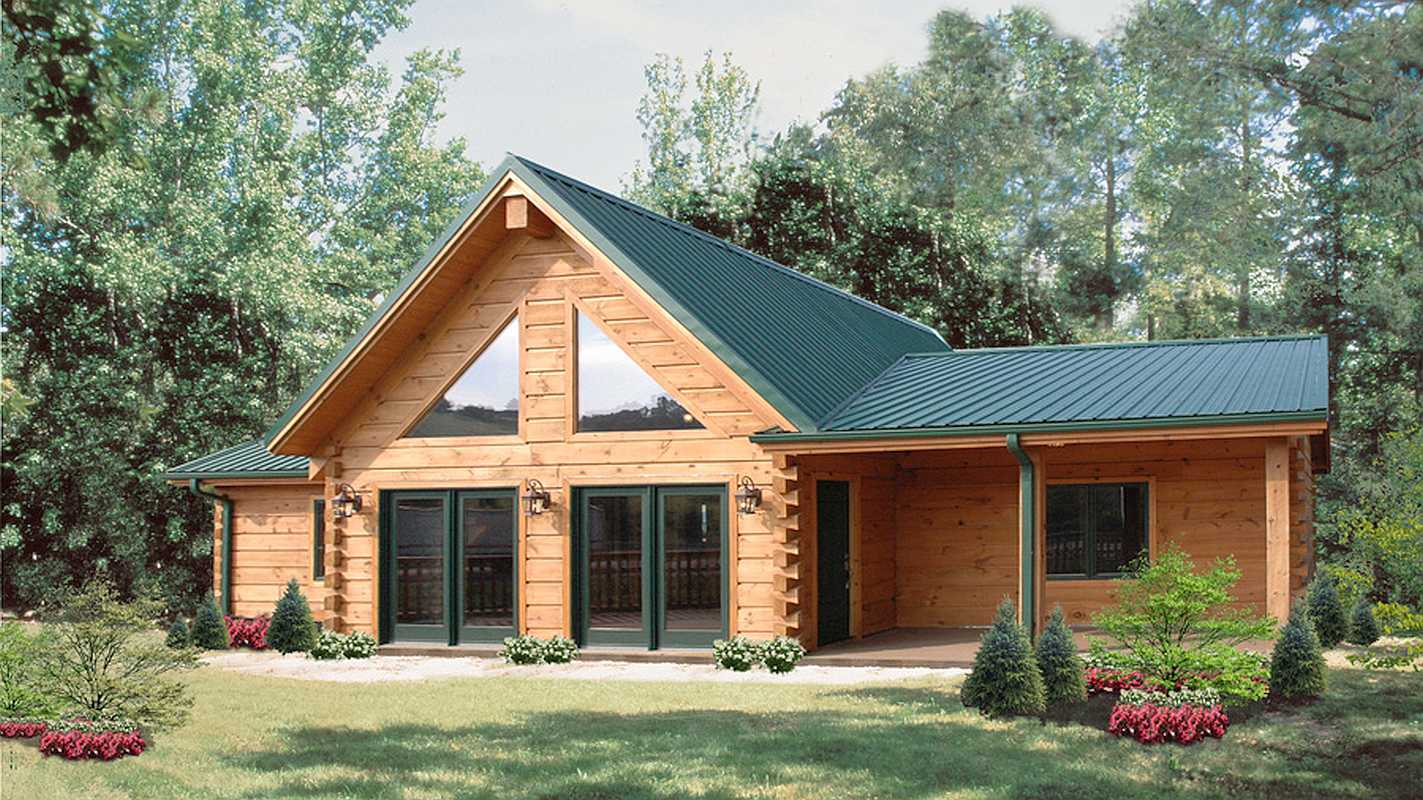
Ready to Build a Small Log Cabin?
More people than ever are choosing to use small log cabin kits to build a tiny home. It’s an affordable, efficient way to build a log cabin. With our affordable small log cabin kits, the floor plans have already been expertly engineered and designed, so there’s no need to hire an architect.
Whether you’re searching for small log cabin kits for a hunting cabin, micro log cabin kits for a vacation rental property, or a tiny log cabin kit for a backyard office, you’ll find the perfect small log cabin floor plan in our portfolio of tiny home log cabin models.
We offer more than 200 customizable log home models, including dozens of tiny cabin homes starting at 320 square feet. Search our extensive catalog to find the perfect cabin for your needs and join the thousands of clients who have used our kits to build their very own custom log cabin home kits.