
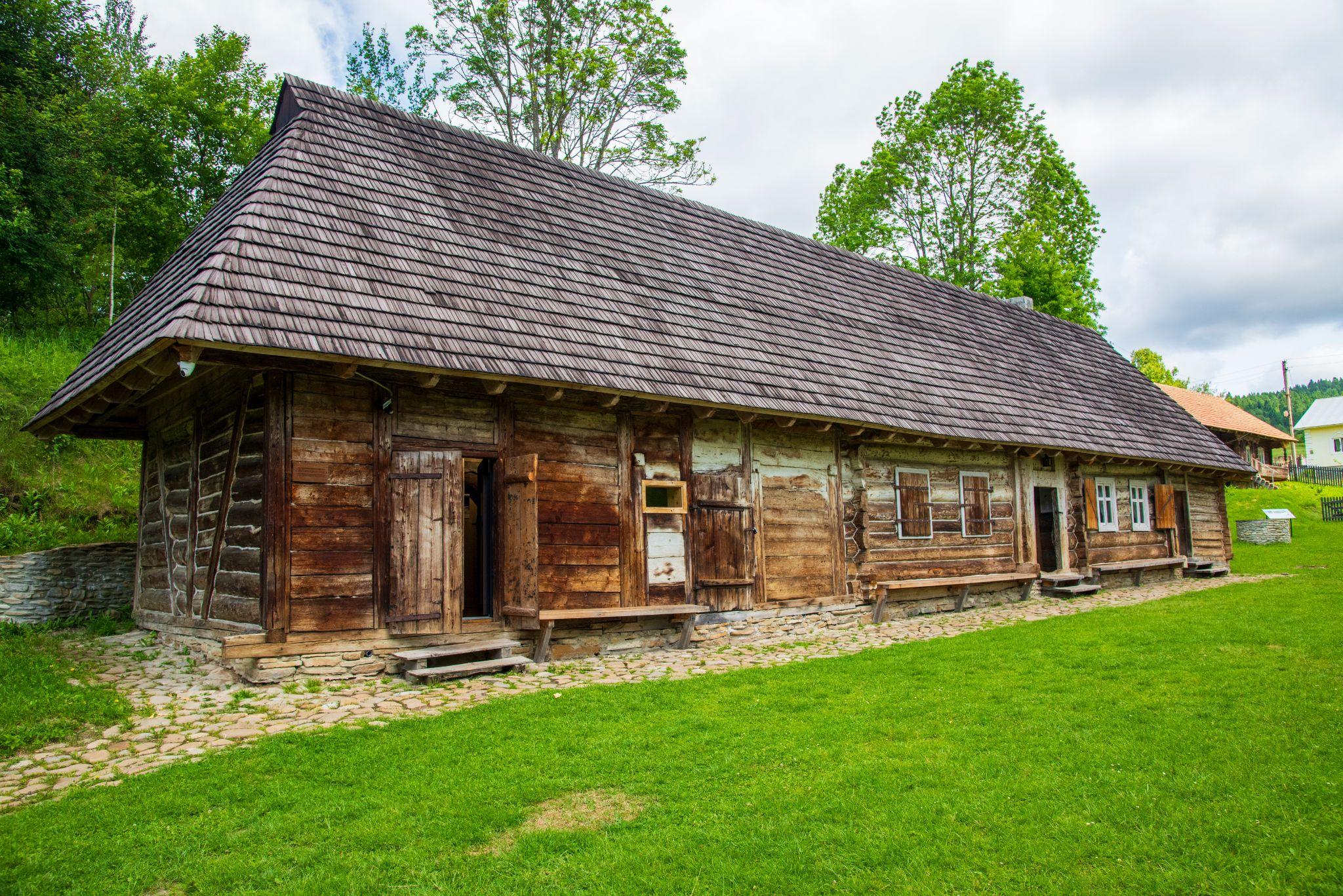
Log home construction has come a long way since the rough-hewn shelters built by early settlers in North America. Historical log cabins may have been basic and temporary, but the tradition of log building has nevertheless endured for centuries, thanks to the durability, beauty, and structural integrity of log homes.
Contemporary log homes are fully modern, with all the features you’d expect in a conventional house, plus the warmth and character only solid log walls can offer. Read on to learn about the history of the log cabin, where this construction style started, and how it has evolved over time.
Where It All Started: The European Legacy
The people of Northern and Eastern Europe have been building log cabin houses for thousands of years. Historians trace early log structures back to the Bronze Age and believe the very first log houses date back to around 3,500 BC.
In regions like present-day Finland and Russia, communities developed an impressive range of corner-notching techniques and joinery methods. Builders often used round or hewn logs, stacked horizontally and sealed with moss, clay, or mud chips to insulate against harsh winters.
Finnish bathhouses, known as saunas, still use many of these time-tested construction methods. Over time, European builders refined their techniques to create homes that were weather-resistant, strong, and surprisingly warm—without needing complex tools or fasteners.
When settlers from these regions migrated to North America, they brought their skills with them, shaping how early American log homes were built in the New World.
Why Did American Pioneers Build Log Cabins?
For early pioneers moving west into dense forests and remote terrain, building materials needed to be close at hand. Pioneer log cabins could be built with muscle power, simple tools, and the surrounding natural forests. The method didn’t require nails or sawmills, making it ideal for wilderness settings.
Log cabins offered several advantages:
- Speed: Construction of a single-room cabin could be completed in days, not weeks.
- Affordability: There was no need to purchase or transport construction materials.
- Insulation: Solid logs helped trap heat during harsh winters.
- Ease: Builders didn’t need formal carpentry skills to raise walls and notch corners.
- Accessibility: Building materials (trees) were plentiful in many regions.
For pioneers carving out new lives on the frontier, speed and survival mattered most. A log cabin was the fastest route to shelter and a foothold in unfamiliar land.
The American Log Cabin: From Shelter to Symbol
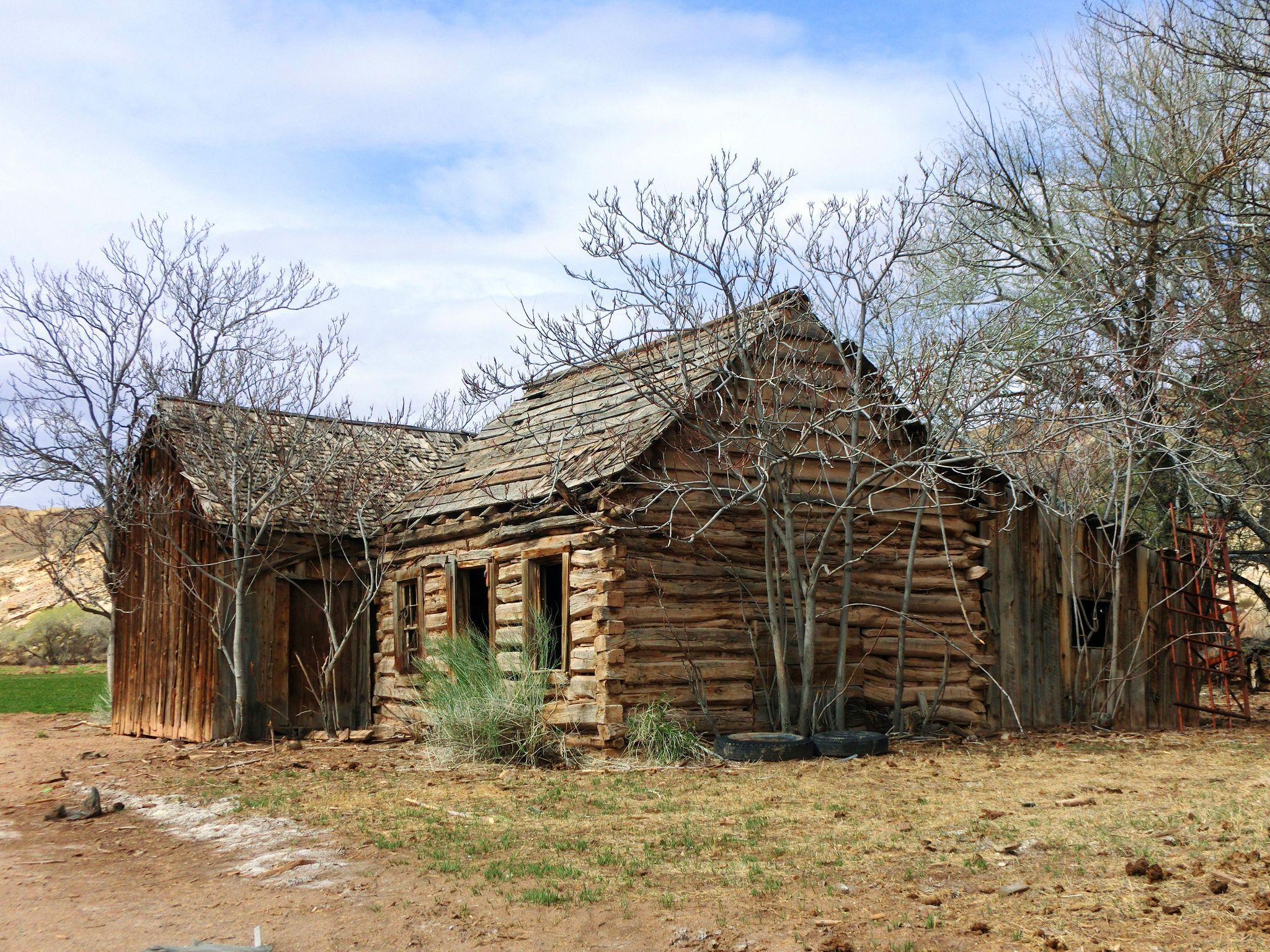
The first log cabins in what is now the United States were built in the 1630s by Scandinavian settlers in the Delaware Valley. These homes were fast to assemble using the abundant local timber. With corner notching and interlocking logs, settlers could build sturdy shelters without nails or metal hardware.
Early American log cabins weren’t designed for comfort. Most had dirt floors, no glass windows, and open hearths for heat. They were drafty, dark, and cramped, yet functional for life on the frontier.
Scots-Irish, German, and other immigrant groups adopted the Scandinavian building technique, spreading it westward through the Appalachian Mountains. Despite their usefulness, cabins were seen by many as temporary. Founding Fathers like Ben Franklin and Dr. Benjamin Rush described them with disdain, associating them with poverty and isolation.
Romanticized by Writers and Artists
But by the early 1800s, the image of the log cabin began to shift. Writers like James Fenimore Cooper painted a cozy, heroic picture of cabin life. Alexis de Tocqueville, while traveling through the U.S., described cabins filled with books and faith—symbols of resilience and intellect rather than hardship.
At the same time, American landscape artists included log cabins in their sweeping frontier scenes. Paintings like Daniel Boone Sitting at the Door of His Cabin on the Great Osage Lake reinforced the idea of self-reliance, simplicity, and harmony with nature.
From Politics to Pop Culture
The log cabin’s greatest leap into national symbolism came in 1840. Opponents mocked presidential candidate William Henry Harrison by calling him a “log cabin” man. Instead of denying it, he embraced the image, branding himself as a relatable, self-made leader. The strategy worked. Harrison won, and the log cabin became a lasting symbol of the American everyman.
Abraham Lincoln further cemented the log cabin’s role in American identity. His campaign materials proudly depicted his humble birthplace, reinforcing his reputation for honesty and hard work.
By the late 1800s, the log cabin was everywhere, not just in rural America, but in advertisements, packaging, literature, and even toys. As cities grew and industrial life expanded, people longed for the simple, rugged spirit the cabin represented.
Where Is the Oldest Log Cabin Still Standing?
The oldest known log cabin still standing in the United States is the C.A. Nothnagle Log House, located in Gibbstown, New Jersey. Built around 1638, it was likely constructed by Finnish or Swedish settlers in the colony of New Sweden.
The cabin is attached to a larger home built later and has been carefully preserved over the years. It stands as a rare and valuable link to the very beginning of American log construction.
Modern Log Homes: Designed for the Way You Live
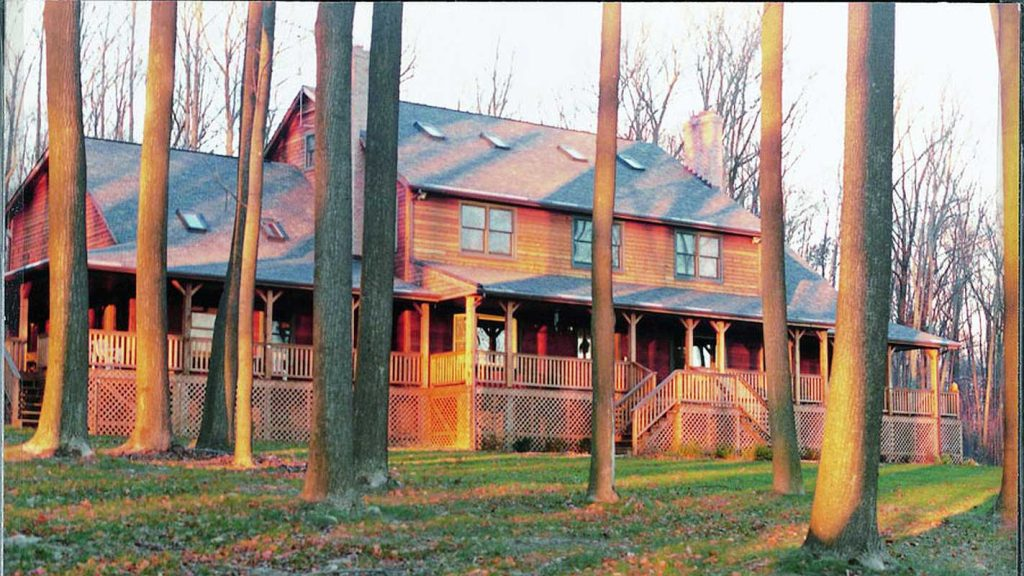
Today, log homes blend classic character with modern comforts. From open-concept floor plans and energy-efficient insulation to high-end finishes and smart home systems, modern log homes deliver everything you’d expect in a contemporary house.
eLoghomes is a national leader in energy-efficient log home design. Enjoy all the amenities you’d expect in a log home, like a grand fireplace, cathedral ceilings, and huge picture windows, plus all the conveniences of a modern home, like HVAC, luxury kitchens, and spa-style bathrooms.
Partner With eLoghomes to Build Your Cabin
If you’ve been dreaming about building a log home, eLoghomes makes it easier than ever to get started. We offer:
- More than 200 customizable log cabin designs, from cozy vacation retreats to spacious family homes
- Premium Eastern white pine logs, precision milled for a weather-tight fit
- Optional construction services, with trained crews who can install the shell of your home
- Three materials packages, including energy-efficient options like our Platinum Energy Package. featuring structural insulated panels (SIPs)
- A variety of upgrades, from handcrafted log railings to garages to tongue-in-groove ceilings
We ship log cabin kits across the U.S. and internationally. No matter where you plan to build, our team will guide you through the design, material selection, and delivery process, step by step.
Start building your legacy today. Get in touch with eLoghomes to explore custom log home models, pricing, and delivery timelines.