
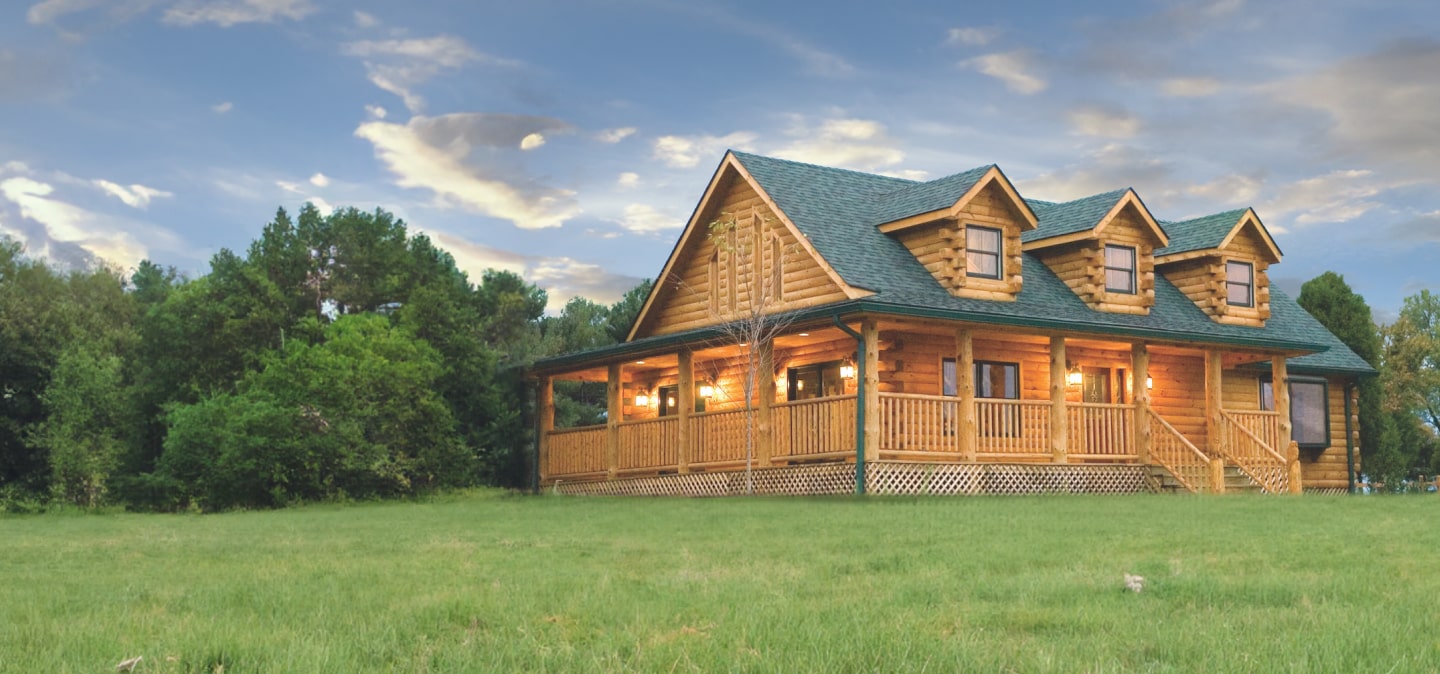
If you’re just starting your home-building journey, you have lots of decisions to make, big and small. You’ll need to determine your budget and choose the best location for your home. And you’ll need to think about the smaller details, like selecting finishes for countertops, flooring, and cabinets.
Log homes vs traditional construction: How do they compare?
One of the biggest decisions you’ll face is how your home will be built and what materials it will be made from. A conventional stick-built house with wood or vinyl siding might be the first thing that comes to mind, but it’s certainly not your only option.
If you’re considering living in a log home, we’ll make the case for why it’s not just a beautiful alternative to conventional construction, but a smart choice overall. Our goal is to help you move forward in your home-building journey with confidence. Keep reading to find out why a modern log home is a great choice.
Log homes are durable.
Nothing stands up to Mother Nature better than a well-built log home. In fact, some of the oldest homes in the United States are log homes—proof that this building method can stand the test of time.
Precision-milled logs used in modern log cabin construction interlock tightly, forming thick, resilient walls that resist wind, rain, snow, and humidity better than many of the synthetic materials used in conventional builds.
While vinyl siding can crack or warp and fiber cement can chip or deteriorate, a properly maintained log wall is solid and stable, offering exceptional protection year after year.
Log homes are sustainable.
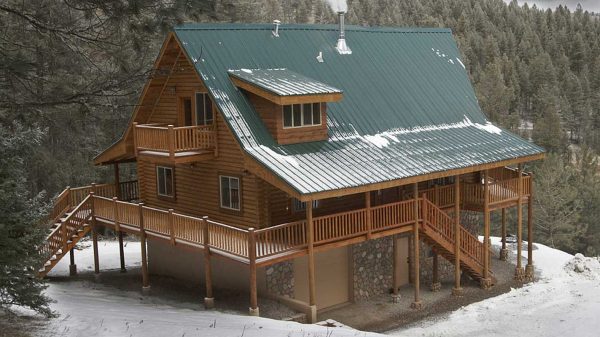
If sustainability matters to you, a log home built with sustainably sourced wood from well-managed forests—like eLoghomes cabins—is a great choice. Unlike synthetic materials typically used in conventional construction, such as vinyl or concrete, wood is a renewable resource.
Wood takes less energy to process and produces fewer greenhouse gases. And because wood naturally stores carbon, every log in your home helps reduce the amount of carbon dioxide in the atmosphere.
When you choose a log home made with responsibly sourced wood, you’re supporting sustainable forestry and long-term environmental stewardship. That’s a home you can truly feel good about living in.
Log homes are healthy.
There’s something inherently calming about being surrounded by wood. Research has found that people surrounded by wood paneling in office environments tend to experience lower stress levels and better mental health. It’s safe to say those same benefits apply in a log home.
Log homes can also support physical health. Solid log walls naturally regulate temperature and humidity, which can reduce mold and allergens indoors. Plus, wood can help filter out airborne pollutants, contributing to better indoor air quality.
And unlike traditional homes, which are often covered in synthetic materials from floor to ceiling, log homes may emit fewer volatile organic compounds (VOCs), especially when you’re selective in choosing finishes. Low-VOC flooring, cabinetry, and paint on interior walls can help you create a healthier home environment.
Log homes are energy efficient.
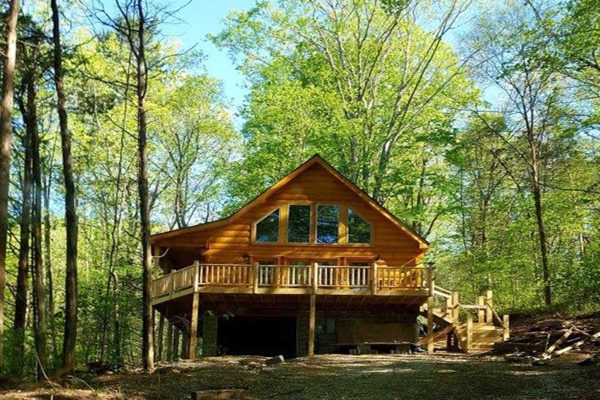
Log homes built with precision-milled logs can be very energy efficient—sometimes outperforming stick-built homes. Wood has natural insulating properties. When combined with energy-efficient windows and doors, log walls help maintain a consistent indoor temperature year-round.
But you can make your home even more energy efficient by incorporating structural insulated panels (SIPs) into your design. Made of oriented strand board (OSB) layered over a rigid EPS foam core, SIPs form a highly efficient barrier against heat loss. They eliminate cold spots, reduce drafts, and help lower your energy bills.
eLoghomes offers SIPs as part of our Platinum Energy Package, giving you a superior thermal envelope that supports both comfort and sustainability. It’s energy efficiency you can feel and see on your monthly utility statements.
Log homes complement natural landscapes.
Unlike homes that contrast or even clash with their surroundings, a log home fits right in, whether you’re building in the forest, the desert, or open plains.
This visual harmony is more than just aesthetic. Homes that complement the landscape support a sense of place and respect for the environment. They’re also more likely to win the approval of neighbors, zoning boards, and environmental reviewers.
A log home’s natural appearance can help preserve the visual character of a region, reinforcing the connection between your home and the land it stands on. As the homeowner, this connection may translate into a deeper sense of belonging.
Log homes offer peace and quiet.
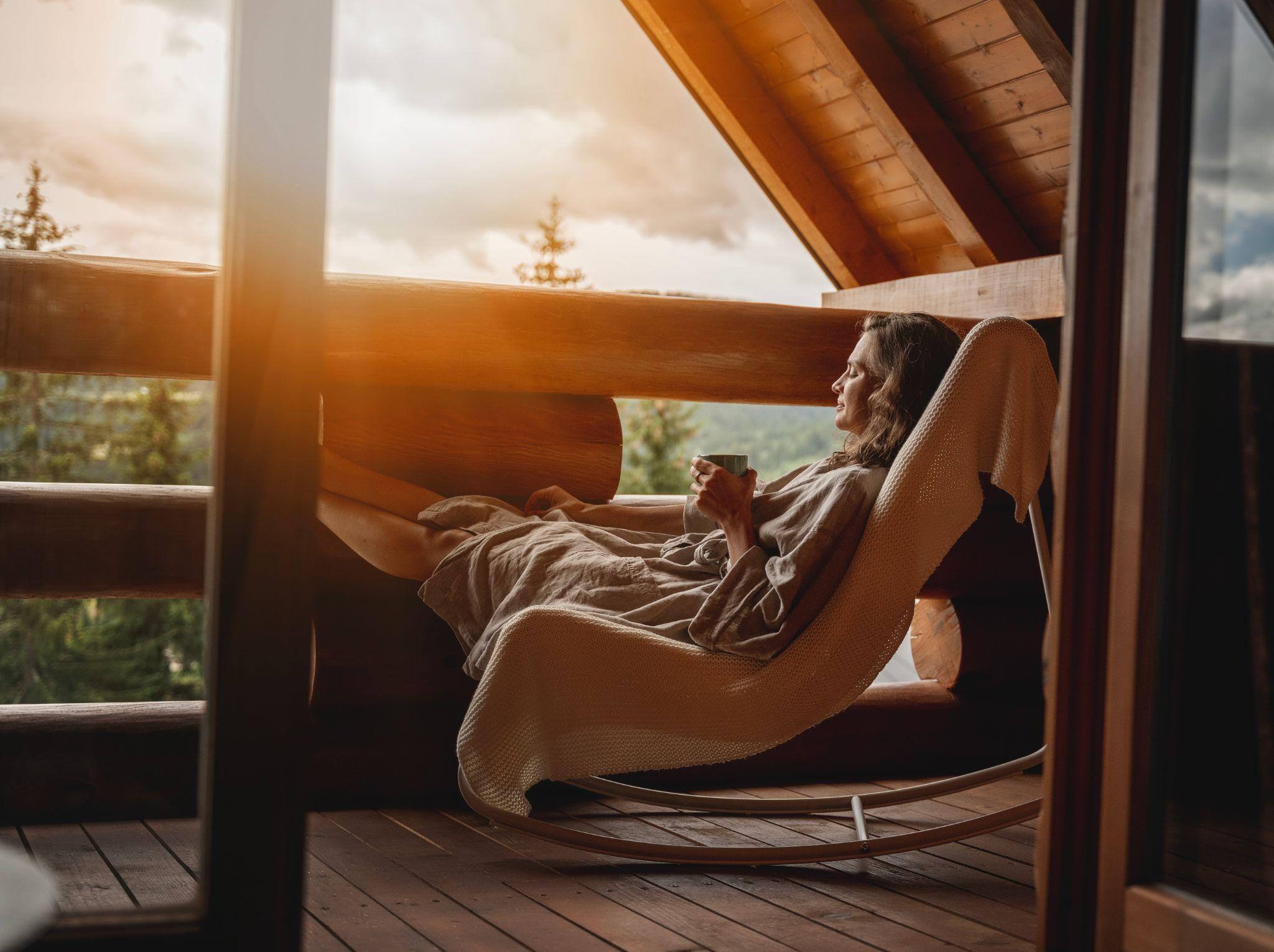
Thanks to the unique acoustic properties of solid log walls, log cabins can be quieter than conventional construction. According to a white paper by the National Association of Home Builders, the density of logs helps absorb and deflect sound waves, reducing the transmission of noise from outside or between rooms.
The shape and texture of the logs themselves contribute to this effect, making a log home quieter than a standard stick-built structure. If you’re building in a windy area or near a road, that sound buffering can make a noticeable difference. And if you’re aiming for a retreat where you can truly unplug, thick log walls will help you enjoy the silence.
Log homes are warm and inviting.
You feel it instantly when you step inside a log home—the warmth that only natural materials can provide. There’s a reason wood and stone are favored in high-end spas and wellness retreats, as they mirror nature and invite calm.
In a meta-analysis of 41 studies conducted over a 25-year period, wood interiors were shown to promote relaxation by reducing brain activity, enhancing the body’s “rest and digest” system, and reducing blood pressure, heart rate, and stress hormone levels.
Log homes are weather-tight.
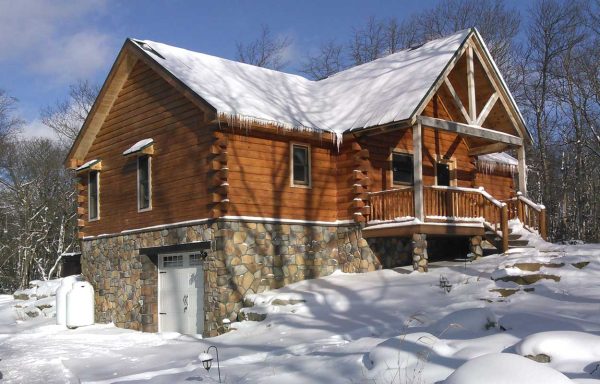
A modern log home built with precision and care is anything but drafty. In fact, today’s log homes are engineered to be weather-tight. When you use precision-milled logs—like the Eastern white pine logs offered by eLoghomes—you get a tighter seal between log joints, reducing the chances of air or moisture infiltration.
Combined with high-quality, energy-efficient windows and doors, your home becomes a stronghold against weather extremes. The right builder makes all the difference, so choose wisely. eLoghomes’ 6-point Weatherlink™ System works in combination with high-quality windows and doors to give you the best possible performance from the day you move in.
Log homes bring the “wow” factor.
While many architectural styles can be attractive, few stop people in their tracks like a log home. There’s timeless appeal in the natural textures, soaring rooflines, and bold features that define log home living.
Think of the sweeping picture windows of the Big Sky model by eLoghomes, or the regal facade of the Casa Grande. These homes make a bold statement while still blending into their surroundings.
Whether you’re building a vacation retreat or a full-time residence, a log home is a head turner your family will cherish for generations.
Build Your Dream Log Cabin with eLoghomes
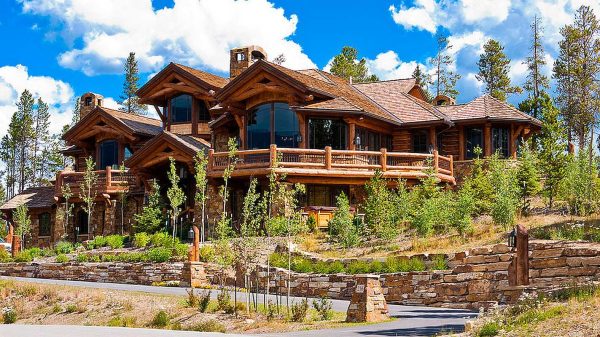
So, are log cabins more expensive to build because of all their advantages? When comparing log cabins vs. traditional homes, many assume log cabins come with a higher price tag. However, thanks to the durable log cabin materials used in construction, combined with their energy efficiency and low maintenance, log homes can provide long-term value and savings.
eLoghomes offers competitive pricing on log home packages—you might be surprised at how affordable it is to build your dream log home! Search our extensive portfolio to find a floor plan you love, then contact us for pricing.