

Aging in place is the norm today. More than three-quarters (77%) of adults 50 and older say they want to stay in their homes as they age, according to an AARP survey. That preference has held steady, and it’s easy to understand why. Your home is your sanctuary, a place of comfort and familiarity. With a little planning, it can continue to be just that for years to come.
Whether you’re building a log home with the intention of aging in place or you simply want to make your home more comfortable for senior parents or guests, this article will walk you through smart, senior-friendly design ideas. We’ll also cover wheelchair-accessible home design features that don’t sacrifice style.
Does a Home Need to Be ADA-Compliant?
If you’re searching for ADA-compliant house plans, first, know that private residential homes are not required to comply with ADA (Americans with Disabilities Act) standards. That said, the ADA is a helpful resource for information about how to design accessible spaces.
Use the information you find on the ADA website or ADA home plans as a guide for handicap house designs. Or better yet, ask your builder or contractor about how to build an accessible home, factoring in how your needs may change over the years.
Making your home more accessible now is not only good preparation for the future, but it can also be helpful for aging parents or guests who visit your home.
What Makes a Senior-Friendly Home?
Many seniors opt for one-story log cabin home designs since stairs can be a challenge for those with mobility issues. But if you prefer a two-story design, there are ways to make it more accessible, from stair chairs to elevators.
Even if you don’t need these features right now, building a new home gives you the flexibility to apply universal design principles—that is, features a way that makes a home accessible to everyone, regardless of age, ability, or disability.
Key Features of an Accessible Log Home

When designing a log home for aging in place—or for accommodating senior guests—every detail matters. From floor to ceiling, your choices can significantly impact comfort, safety, and ease of movement for those with limited mobility. Thoughtful design can blend accessibility with the natural charm and warmth of log home living.
Here are some essential features to consider:
Zero-Step Entrances
A level entryway is one of the most critical features for accessibility. Eliminating steps at all entrances ensures easier access for wheelchairs, walkers, or even those pushing a stroller or carrying heavy items. If this isn’t possible or practical, ramps with gentle slopes can be designed to blend seamlessly with the rustic exterior of your log cabin.
Open Floor Plans
An open layout feels spacious and is by nature more handicapped accessible. Fewer walls and obstacles mean wheelchairs and walkers can move freely between rooms without tight corners or sharp turns.
Log cabin home designs with unique floor plans that eliminate narrow hallways and sharp turns—like the Mankato model by eLoghomes—can make moving around the house easier every day. If you prefer a two-story home, look for a floor plan that puts the master bedroom on the first floor, like the Jackson Hole model by eLoghomes.
Accessible Kitchens

Lowered countertops and cabinets with toe kicks, side-by-side refrigerators, lever-handled or touch-handle faucets, and roll-under sinks make everyday tasks easier. Choosing drawer-style appliances, like dishwashers and microwaves, can also reduce bending and lifting.
Wider Doorways and Hallways
Standard doorways may feel tight for anyone using a wheelchair or walker. Doorways should be at least 36 inches wide to allow smooth and safe passage. The same goes for hallways—wider corridors improve maneuverability and reduce the risk of bumps or falls.
Safer Bathrooms
Bathrooms are high-risk areas for falls, so accessibility here is essential. Include features such as:
- Grab bars near toilets, tubs, and in showers
- Roll-in, curbless showers
- Non-slip flooring
- Lowered sinks with open space underneath for wheelchair access
- Raised-height toilets
Easy-to-Reach Controls
Place light switches, thermostats, and electrical outlets at a height of 36–48 inches from the floor to ensure they’re easily reachable from a seated position. Consider rocker switches instead of traditional toggle types for easier use.
Stairlifts
If your home has more than one level, consider installing a stairlift. It’s a safe and reliable way to ensure all parts of your home remain accessible without the strain or risk of stairs. Another option is to install an elevator, although this will require much more structural planning.
Clear Floor Space
Wheelchairs require a turning radius of at least 60 inches. Designing with wheelchair-accessible home design in mind ensures people can navigate easily without bumping into furniture or fixtures. Avoid cluttered spaces and allow plenty of clearance around key areas like beds, counters, and tables.
Slip-Resistant Flooring
Choose flooring materials that offer good traction, especially in wet areas like kitchens, bathrooms, and entryways. Slip-resistant tiles, textured vinyl, or matte-finish hardwoods are great options that combine safety with style.
Accessible Closets
Install closet rods and shelves at reachable heights. Use pull-down mechanisms, sliding doors, and D-shaped handles to make access easier. Avoid bi-fold doors, which can be difficult to operate with limited hand strength.
Outdoor Spaces
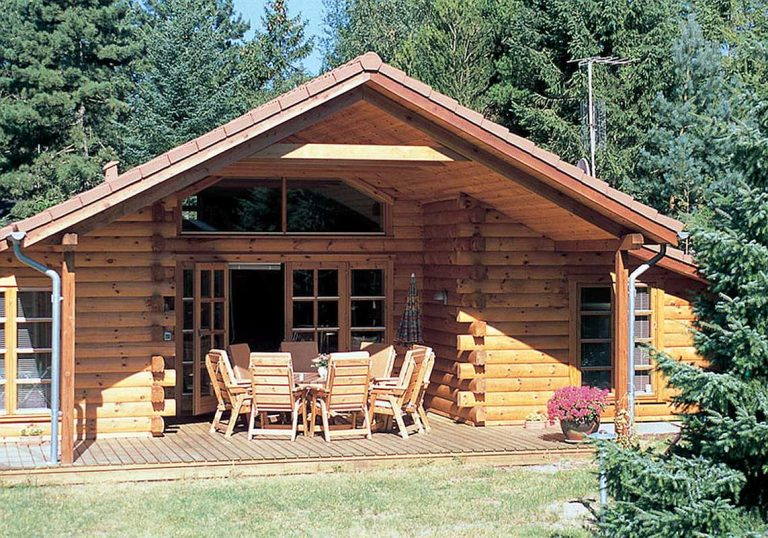
Accessible outdoor areas add so much to daily life. Include wide, gently sloped walkways, raised garden beds, and covered ramps to ensure outdoor patios and porches are usable in all seasons. Non-slip surfaces are just as important outdoors as they are inside.
Well-Distributed Lighting
Good lighting reduces the risk of accidents and supports those with visual impairments. Install bright, evenly distributed lighting throughout the home, especially in stairwells, hallways, and work areas like the kitchen and bathroom. Consider motion-sensor lighting for added convenience.
Build Your Accessible Cabin with eLoghomes
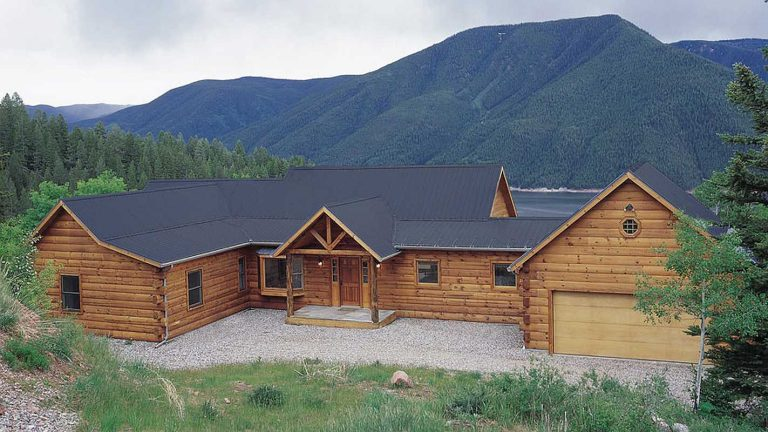
Designing an accessible log cabin doesn’t mean sacrificing beauty or character. With these thoughtful features, you can create a warm, welcoming home that supports comfort, independence, and safety for yourself, your family, and your guests, now and into the future.
eLoghomes has a huge catalog of modern log home designs, with more than 200 fully customizable options. Choose from one, two, or one-and-a-half-story floor plans. Our expert team will work with your builder or contractor to help you design an accessible home that meets your needs. Get in touch with us to learn more and for pricing.