
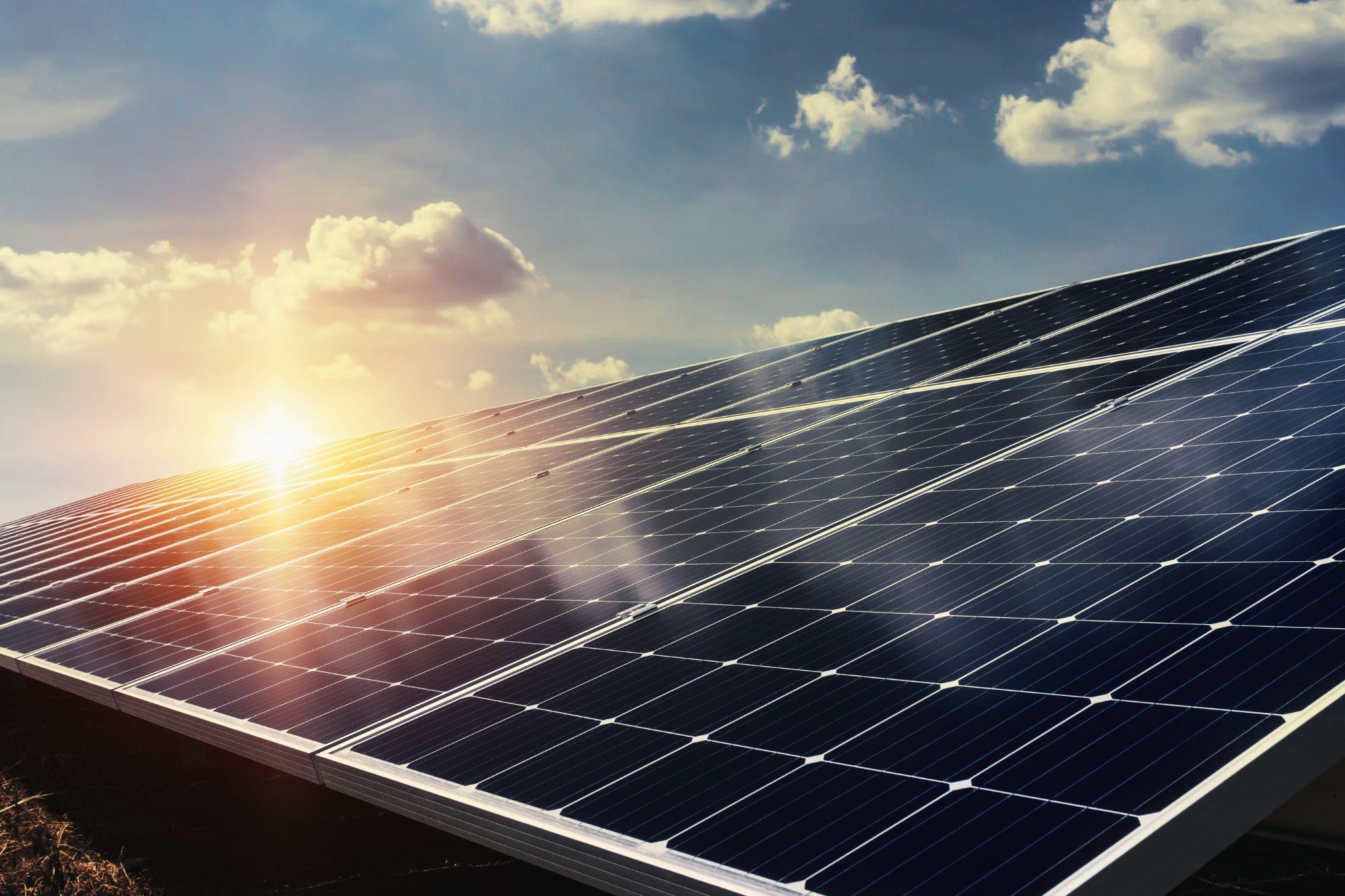
Eco-friendly log cabins are growing in popularity. Solar panels provide free energy from the sun with fewer carbon emissions across the entire lifecycle of the system, and they also help you live more self-sufficiently.
Whether you’re planning to build a log cabin as a primary residence or a vacation getaway, solar power can reduce your monthly bills, keep your lights on during outages, and help you stay connected without relying on noisy generators or utility lines.
Before you dive in, it’s important to understand how to power a cabin on solar and what options are available. With a little planning upfront, you can create a system that powers your cabin for decades to come.
Why Solar Makes Sense for Log Cabins
Solar energy for cabins is environmentally friendly and practical. Here are some of the benefits:
- Lower monthly bills: There’s a larger upfront investment, but once your system is paid off, the sun keeps delivering free energy.
- Remote access: You can build in places where power lines don’t reach.
- Quiet and clean: Solar panels are silent and odorless, unlike gas-powered generators.
- Low maintenance: Most systems require only occasional cleaning and inspections.
- Durability: Solar panel technology keeps getting better, with some panels even lasting 25 years or more when properly maintained.
- Incentives: Federal tax credits and state-level incentives can offset upfront costs.
When you’re building a log home designed for sustainability and simplicity, adding solar is a natural fit.
Choosing the Right Type of Solar Energy System
The first step in planning your solar setup is determining which type of system best fits your needs and goals. There are three main types: off-grid, grid-connected, and hybrid.
Off-Grid Solar Systems
If your cabin is far from utility lines or you’re going for full energy independence, an off-grid system is the way to go. These systems rely entirely on solar panels and battery storage to provide power 24/7. That means no electric bills, but it also means you’ll need to carefully size your battery bank to avoid running out of power during cloudy stretches or heavy use.
Grid-Connected Solar Systems
If your cabin is in an area with access to the electrical grid, a grid-tied system may be the way to go. You can use solar power during the day and pull from the grid when the sun goes down. In many areas, you can even earn credits through net metering when your system sends extra power back to the grid.
Hybrid Solar Systems
Hybrid solar energy systems combine solar panels, batteries, and a grid connection. These setups let you store energy for emergencies or nighttime use, but still rely on the grid when needed. They’re ideal for cabins in areas that experience frequent outages or unpredictable weather.
Work With a Solar Contractor to Size Your System
A qualified solar energy contractor will determine how many solar panels and batteries your cabin needs. They will walk you through the process and help you design a system that fits your goals, location, and energy habits.
Professional Energy Assessment
Your contractor will ask how you plan to use your cabin—seasonally or year-round—and what kind of appliances and systems you’ll be running. From there, they’ll calculate your average daily energy usage in kilowatt-hours (kWh), using industry tools and methods.
Location and Sun Exposure
Solar energy professionals use satellite data and specialized tools to estimate how much direct sunlight your property receives throughout the year. This helps determine how many panels you’ll need to consistently meet your energy needs without overbuilding your system.
Storage Needs
If you’re considering an off-grid or hybrid setup, your contractor will also recommend the right battery capacity based on your usage, preferred backup time, and budget. They’ll help you weigh the pros and cons of different battery options and ensure the batteries are housed in a safe, climate-appropriate space.
What Your Solar Energy Expert Will Evaluate
Working with a licensed and experienced installer ensures your solar panel system for a cabin is set up to meet building codes, utility requirements, and safety standards. It also gives you peace of mind that the job has been done right from the start. Here’s what your solar contractor will likely evaluate during inspection and installation.
Panel Placement and Mounting Options
Your solar energy expert will evaluate your cabin’s roof structure and surrounding landscape to determine whether roof-mounted or ground-mounted panels are the best option. They’ll also assess roof pitch, condition, and orientation to maximize solar exposure.
Sunlight and Shading
Using tools like solar mapping software and on-site inspections, your contractor will check for shading issues from trees or nearby structures. Even partial shade can impact performance, so they’ll design the array to avoid these trouble spots.
Optimal Panel Orientation
To ensure your system produces the most power possible, your installer will angle and orient the panels according to your geographic location and local sun path. In some cases, they may recommend adjustable mounts for year-round optimization.
Battery Bank Setup
If your system includes battery storage, your contractor will find a location that’s safe, dry, and temperature-controlled. They’ll ensure batteries are properly ventilated if required and connected to your system in compliance with code.
Plan Smart, Live Free
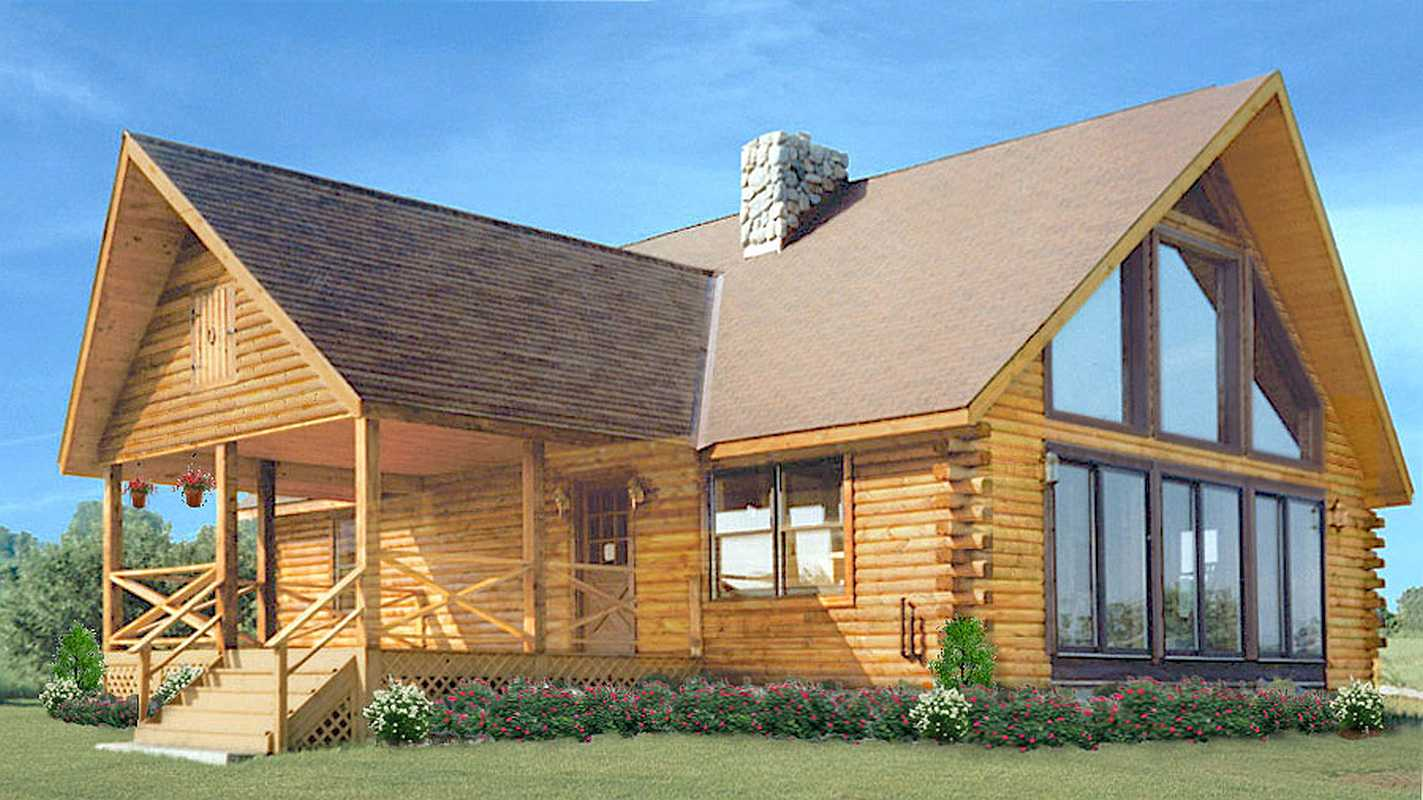
Planning a solar energy system takes time, but the result is worth it, especially if you value independence, peace and quiet, and living with a smaller footprint. Consult with a solar panel installer for help. They will help you determine what size system you need, the best solar panel orientation for your property, and more.
eLoghomes leads the way in energy-efficient log home design, and solar panel installations are a natural fit with our homes. We offer more than 200 fully customizable log home models, from 400-4,000+ square feet. Find your perfect floor plan, then contact us for pricing. Also visit our FAQ page to get answers to common questions.