
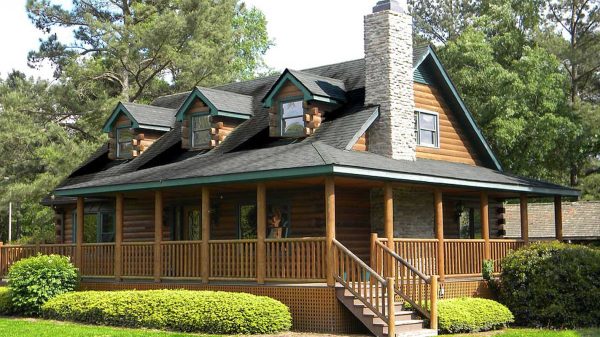
For generations, the timeless beauty and durability of log homes have drawn people toward log cabin living. Whether you’re building a lakeside vacation cabin or a forever home for your family, with proper care, your log home will become a treasured legacy.
Painting a log cabin may seem like the logical choice to preserve your log walls, but paint can trap moisture inside the logs, leading to rot, mold, and costly repairs. It also hides the unique character of the wood and can chip and peel, starting a cycle of maintenance headaches.
Instead of painting, choose stains and sealants that let the wood breathe. We’re going to explain why this is the better choice in more detail ahead.
The Issues With Painting a Log Cabin
Painting might seem like a straightforward way to protect your log walls, but painted log cabins are prone to a range of issues—and this applies to both painted log cabin interiors and exteriors.
Logs are living, breathing building materials. Even after milling and construction, logs continue to move and settle, expanding and contracting with changes in temperature and humidity. It’s normal and natural for logs to begin “checking.” These are the small cracks that develop as the wood dries and adjusts to its environment, and they’re part of what gives a log home its authentic character and rustic charm.
When you paint a log cabin, paint can seep into those natural checks and cracks, creating an airtight seal. This traps moisture inside the wood, which can lead to rot, fungal growth, and insect infestations. And you often can’t see the damage until it’s well advanced.
Other issues with painted log homes include:
- Hides Natural Beauty: Paint covers up the unique grain, knots, and rich color variations that make log homes so appealing. You lose the look that makes your cabin feel genuine and timeless.
- Chipping and Peeling: Logs expand and contract, so painted surfaces rarely stay intact for long. Sun, rain, and snow speed up the breakdown. Paint begins to crack, peel, and flake, creating an eyesore and an ongoing maintenance hassle.
- Difficult and Costly Removal: Once you’ve painted, there’s no easy fix. Removing paint from logs often requires harsh chemical strippers and sandblasting. This process is time-consuming, expensive, and can damage the wood beneath.
- Can Lead to More Moisture Problems: When paint fails, water seeps behind the layers and gets trapped, making rot worse than if you’d left the wood bare.
Choosing to paint may also void the manufacturer’s warranty on your log home or siding, as many producers warn against this practice for the reasons listed above. In the end, painting creates a maintenance cycle that’s both difficult to manage and damaging to the long-term health of your home.
Proper Care: Stains and Breathable Finishes
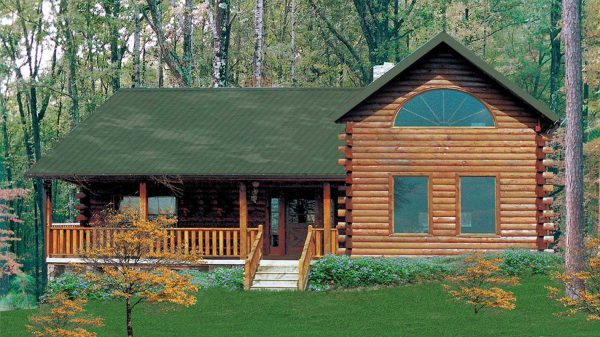
There’s a better, proven way to maintain your log home and highlight its natural beauty. Skip the paint and use stains and breathable finishes designed for log construction.
Why choose stains over paint?
- Penetrates Instead of Coating: Stains soak into the wood and allow it to breathe, helping moisture escape rather than trapping it inside.
- Enhances Natural Appearance: Semi-transparent and transparent stains accentuate the wood grain, letting your home’s character shine through.
- Flexible and Durable: Quality stains move with the wood as it expands and contracts, reducing the risk of peeling and cracking.
- Easier Maintenance: Over time, you can clean and reapply stain without stripping or blasting the wood.
Many log homeowners rely on proven log home stain and sealant manufacturers like Perma-Chink and Sashco. Look for products designed for log homes or wood siding, ideally with UV blockers and mold inhibitors. Regularly inspect and clean your cabin’s exterior and apply fresh stain and/or sealant every few years or as needed to keep the wood protected.
Choosing the Right Logs
The foundation of a lasting log home is the quality of the logs themselves. Your long-term maintenance needs, including whether you’ll face issues with moisture or pests, depend largely on this initial choice.
- Select High-Quality Logs: The best log homes begin with premium-grade wood. Eastern White Pine is an ideal choice for its strength, durability, and clean-looking finish. Logs should be straight, with minimal knots or defects.
- Proper Drying: Logs must be dried to the optimal moisture content before milling and construction. Well-dried logs are less likely to shrink, settle, or crack excessively after building, making them more stable and reliable over time.
- Precision Milling: Precision-milled logs fit together with tight joints. This creates a better seal, limiting gaps where water, air, or pests can intrude. A snug fit reduces the risk of rot and insect damage.
You’ll still notice some checking, even with premium logs. This is completely normal. The key is to protect your home’s log walls with the right stain and sealant. Here’s how you can set your log home up for lasting success:
- Use a professional-grade, breathable stain every few years or as needed
- Schedule regular inspections to catch minor issues early
- Keep landscaping and trees trimmed back to let your logs dry after rain
By starting with superior materials and maintaining the wood with stains and breathable finishes, you’ll keep your cabin solid, beautiful, and resistant to the elements for decades.
Build Your Dream Log Cabin With eLoghomes
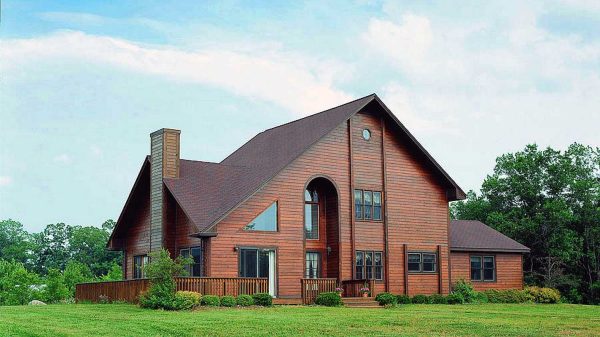
eLoghomes uses precision-milled premium Eastern White Pine logs in our log cabin packages. This wood species is prized for its strength, durability, and clean-looking finish. It’s an easy wood species to maintain, growing more beautiful over time with proper care.
As one of the nation’s leading log cabin manufacturers and builders, we’re committed to helping you build your dream home. Search our huge portfolio of log home models to find the perfect home model for your family, then get in touch with us for pricing.
Log Cabin Maintenance FAQs
Is it ok to paint a log cabin?
No, painting traps moisture inside the wood, which can lead to rot, mold, and structural issues. Painted log homes are prone to chipping and peeling due to the natural expansion and contraction of logs, which can create ongoing maintenance headaches. Use high-quality stains and sealants instead of paint.
What is the best way to maintain log walls?
Apply a high-quality stain or breathable finish made for log homes to protect the wood from weather and UV rays. Inspect the walls regularly and reapply the finish as needed to prevent moisture problems and keep the logs looking great.
Can I pressure wash logs?
High-pressure washing can strip away protective finishes and damage the wood fibers, making the logs more vulnerable to water intrusion. Use a garden hose or a low-pressure washer to safely remove pollen and debris.
How often should I stain/seal my log cabin?
Most log homes need re-staining every three to five years, depending on sun exposure and weather conditions. Follow product instructions and check for fading or water absorption to decide when it’s time to reapply.
What causes logs to crack?
Cracking, also called checking, happens naturally as logs dry and adjust to humidity and temperature changes. Proper sealing and regular maintenance help minimize problems caused by checking while preserving the rustic look and structural integrity of log walls.