
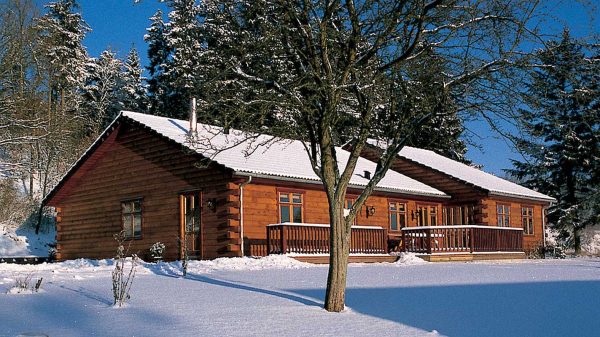
If you’re planning a log home build, heating is likely a top priority, especially if you plan to build in an area with freezing winters, like the Rockies, the upper Midwest, or the Northeast. You want a home that feels cozy and comfortable even through the harshest storms of winter.
Heating a log home is similar to heating any home—with an added benefit. Thanks to the density and thermal mass of wood, log walls are naturally effective insulators. Well-designed and constructed log homes keep interiors warmer in winter and cooler in summer by slowing down the transfer of heat in and out of your home.
It starts with quality materials, good design, and solid log home construction. Ahead, we’ll look at energy-efficient design features that can help keep your log cabin home warmer in winter and the different systems available for heating your home, from high-performance HVAC units to radiant floor heating.
Energy-Efficient Log Home Features
These energy-efficient features can help create a more comfortable home in winter and all year round.
High-Quality Doors & Windows
Windows and doors with multiple panes, low-emissivity (Low-E) coatings, and tight seals reduce heat loss and prevent drafts. Go with high-performance options to prevent heat loss in the winter and keep cool air inside on hot summer days. Well-fitted, insulated doors and windows (like those made by Andersen, an eLoghomes partner) also cut down on outside noise and help regulate indoor humidity.
Structural Insulated Panels (SIPs)
SIPs are advanced building materials constructed of an insulating foam core sandwiched between two structural boards, creating a tight, energy-efficient shell. SIPs provide much tighter construction than standard framing to minimize air leakage and heat loss.
When used in your log home, structural insulated panels can eliminate the need for traditional insulation on upper walls, gable ends, and the roof (where applied), improving energy efficiency and comfort, especially during harsh winter months.
Thicker Log Walls
Opting for 8-inch thick log walls instead of the more standard 6-inch logs can increase heat retention in the winter and prevent the loss of cool air in the summer. The added mass slows down temperature changes, providing a natural buffer against outdoor temperature swings, especially when combined with structural insulated panels and premium double- or triple-pane windows.
Foundation Insulation
Energy efficiency starts from the ground up. Even your foundation can affect how much heat stays inside your home. Modern insulated concrete forms (ICF) are a smart choice for foundations. These forms provide a layer of continuous insulation, helping to regulate indoor temperatures and absorb temperature swings. They also reduce the chance of structural leaks and are known for their longevity, which means lower maintenance costs over time.
South-Facing Windows and Passive Solar Gain
Taking advantage of the sun’s warmth is a classic energy-saving strategy. Placing larger windows on the south-facing side of your home lets in more natural light and warmth during the day, a process known as passive solar gain.
Well-placed windows can capture heat from the winter sun, reducing the need for mechanical heating and making common areas feel naturally cozy. Talk to your builder or general contractor about positioning your home to take advantage of passive solar.
Weatherstripping and Caulking
Even the smallest gaps around doors, windows, and joints can let cold air seep in and warm air escape. High-quality weatherstripping and caulk seals up these problem areas and keeps drafts at bay. This simple, affordable upgrade can have a noticeable impact on your home’s energy performance, making it feel warmer in winter and cooler in summer.
By combining these energy-efficient features, you’re setting the stage for a log home that stays toasty through even the coldest winter nights—one that’s easier on your wallet in the long run.
Heating Systems for Log Homes
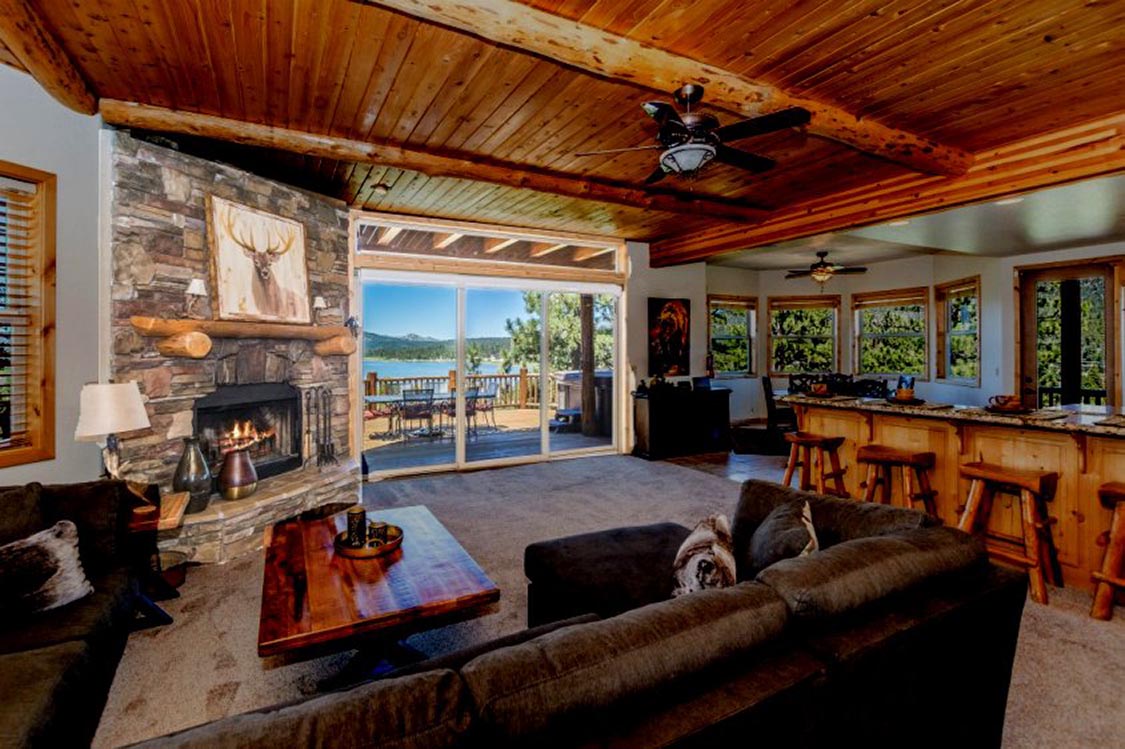
In cold regions, even the most efficiently designed and constructed log homes will require additional heating sources. Choosing the right system depends on your home’s size, design, and your lifestyle. Here are the most popular heating systems for log homes:
HVAC System
Modern HVAC systems come in both single-zone and multi-zone configurations. A single-zone system heats your entire home from one location, while a multi-zone setup allows you to control temperatures in different areas separately. This is a great option for larger and multi-story homes, like the Big Sky and Chimney Rock models by eLoghomes.
When selecting an HVAC system, make sure it’s ENERGY STAR rated for better efficiency. Ask your HVAC contractor to explain how the system will be properly sealed to prevent leaks and ensure the unit is correctly sized for your home. An oversized system will waste money, while an undersized one will work too hard and wear out sooner.
Wood-Burning Stoves and Fireplaces
Wood-burning stoves and fireplaces offer both warmth and charm. For a cozy single-story cabin with average-height ceilings—like the Elkin by eLoghomes—a wood-burning stove or fireplace may be enough, even in winter.
In larger homes, stoves or fireplaces make great supplemental heating in living areas, bedrooms, or even kitchens. Gas and propane stoves are excellent options for off-grid living, giving you reliable heat without electricity.
Effectively Circulating Heat Throughout Your Home
One of the best ways to keep every corner of your log home comfortable is with efficient heat circulation. Here are a few smart ways to get heat moving where you need it:
- Ceiling Fans: Run fans in reverse (clockwise) during winter to push warm air down from the ceiling.
- Ductwork: Work with a reputable HVAC installer to ensure ducts are properly insulated and sealed to prevent heat loss and ensure even distribution.
- Dampers: Ask your builder or general contractor about adding manual or automatic dampers in your ductwork to distribute heat more effectively.
- Open Floor Plans: Choose a log home model with an open layout, which allows heat to travel more freely between rooms.
- Circulating Fans: Circulation fans can help move warm air into cooler spots.
With the right strategy, you’ll enjoy well-distributed warmth throughout your home during the coldest months of winter.
eLoghomes: A National Leader in Energy-Efficient Log Home Design
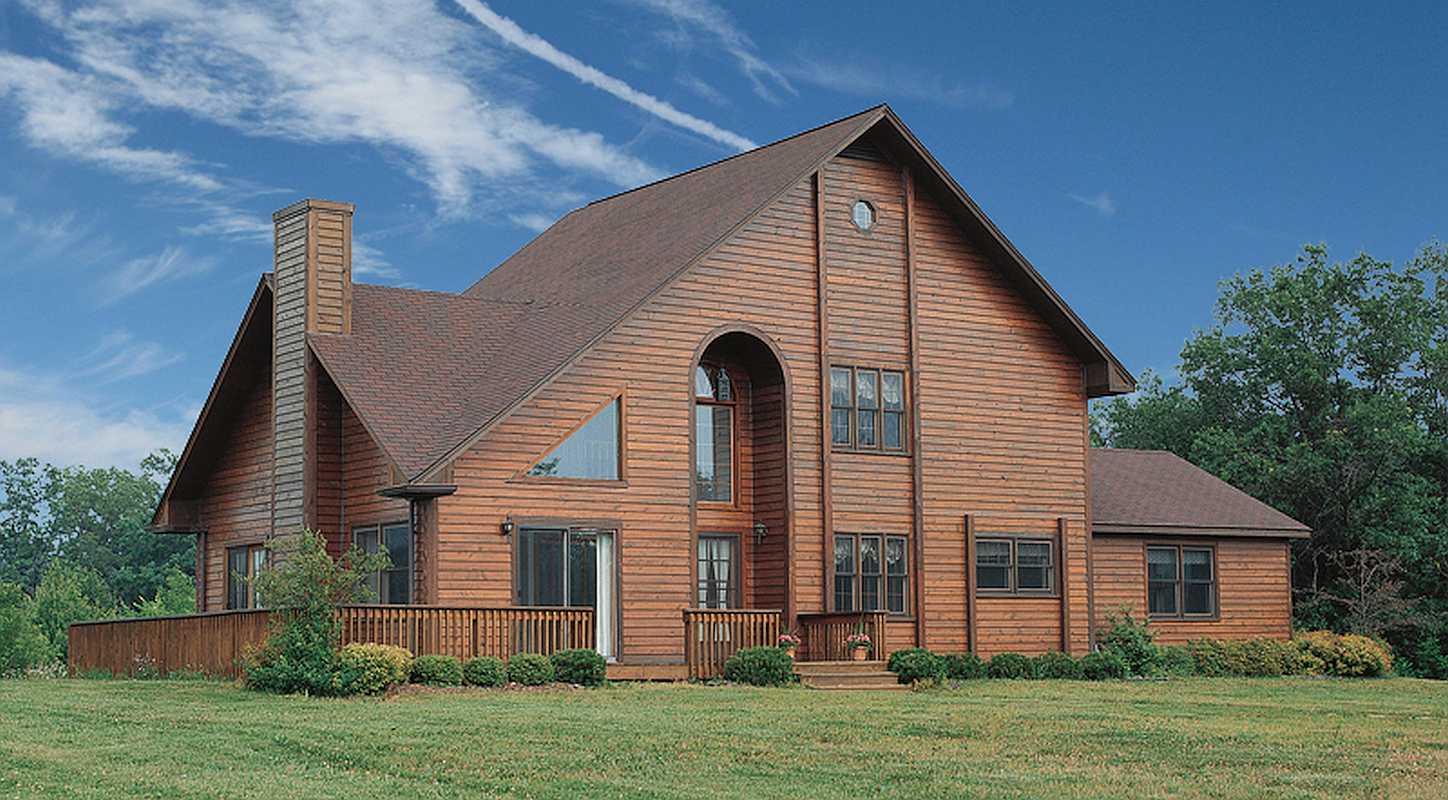
eLoghomes leads the way in energy-efficient log home design. Every one of our log home models features our exclusive 6-Point Weatherlink™ System—a proven six-layered log wall design that seals out air leaks and drafts, a key source of energy loss in any home. This innovation is standard across all our log home kits, helping you enjoy lower energy bills and consistent comfort all year.
We build with only the highest-quality Eastern White Pine logs for lasting stability and natural insulation, and we partner with Andersen Windows & Doors to provide energy-efficient windows and exterior doors. For those seeking the best in energy performance, our Platinum Energy Package combines thicker 8-inch logs, structural insulated panels (SIPs), and advanced windows and doors for unmatched R-value and year-round comfort.
Get in touch with our team to discover how eLoghomes can help you build a comfortable, energy-efficient log cabin home your family will enjoy for years to come.