

Long-Term Care and Enjoyment
At this point in your log home journey, ownership may be starting to feel familiar. If you’ve moved in, you’ve likely found your favorite places to relax and begun to notice how your home responds to changing seasons.
Now is a good time to establish a care routine that fits your home. Understanding your log home and knowing where to look for wear can help you protect what you’ve built and enjoy the years ahead.

Establishing a Maintenance Rhythm for Years 1 to 5
Consistent attention makes maintenance easier to plan. Begin with your builder’s guidance and the instructions for your finish products, then use these checkpoints to develop a routine:
- Years 1–2: Monitor movement, window and door operation, seals, and finishes. Record concerns and arrange recommended follow-up visits.
- Years 2–3: Continue inspections and compare sunny, shaded, and weather-exposed walls for changes in finish condition.
- Years 3–5: Budget for maintenance coats or repairs based on observed wear and product guidance.
Check finishes and drainage from the beginning, and address concerns as they appear. These checkpoints help you plan; they aren’t reasons to delay needed care.
When to Restain Your Log Home
Stain and any specified topcoat help protect your logs from sunlight and moisture while preserving their appearance. How long that protection lasts depends on climate, exposure, preparation, and the finish system. Wood can naturally expand and contract due to the environment, and both staining and caulking will minimize this effect.
Inspect finishes at least annually, paying particular attention to exposed walls and log ends. Look for:
- Fading, peeling, or bare patches.
- Changes in water absorption, assessed using the finish manufacturer’s recommended test.
- Uneven wear on surfaces that receive strong sun or frequent rain.
Before recoating, ask your finish supplier whether the surface needs cleaning, a maintenance coat, or more extensive preparation. Use compatible products and follow instructions for drying time and application conditions.
Watching for Moisture Exposure
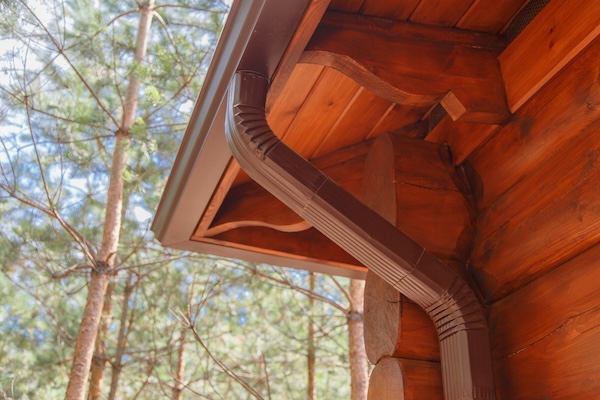
Managing water is one of the most useful things you can do for your home. Notice where rain runs off and where logs remain damp after nearby surfaces have dried. During routine checks:
- Clear gutters and confirm downspouts discharge away from the home.
- Keep sprinklers off log walls and remove leaves or debris that hold moisture against wood.
- Trim vegetation to allow airflow, especially in shaded areas.
Investigate recurring dampness, staining, or soft wood promptly with a qualified log home professional. Correct the source of water before refinishing the affected area.
The Value of an Annual Walkthrough
Set aside time each year for a thorough walkthrough, with shorter checks in spring and fall and after severe weather. Walk the exterior and look inside around windows and doors.
Inspect logs, finishes, and existing seals for changes. Photograph concerns, note their location and date, and compare them with earlier photos. Follow your builder’s guidance before adding caulk or filling checks, the cracks that can develop as wood dries; not every check needs filling.
Caring for a Home Built to Last
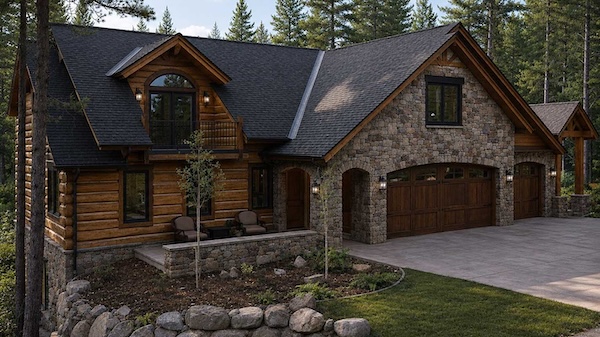
The character of your home becomes more familiar with every season. Regular care helps preserve the wood and craftsmanship you enjoy, while inspection notes and product records make future decisions easier. Keep finish names, application dates, and repair details together for easy reference. If questions come up, the eLoghomes team is here to help you find guidance for your home. Staying attentive today helps you plan confidently for the seasons ahead.